PERIPATETIC.LIFE

peripatetic /ˌpɛrɪpəˈtɛtɪk/ adjective: travelling from place to place, for relatively short periods.

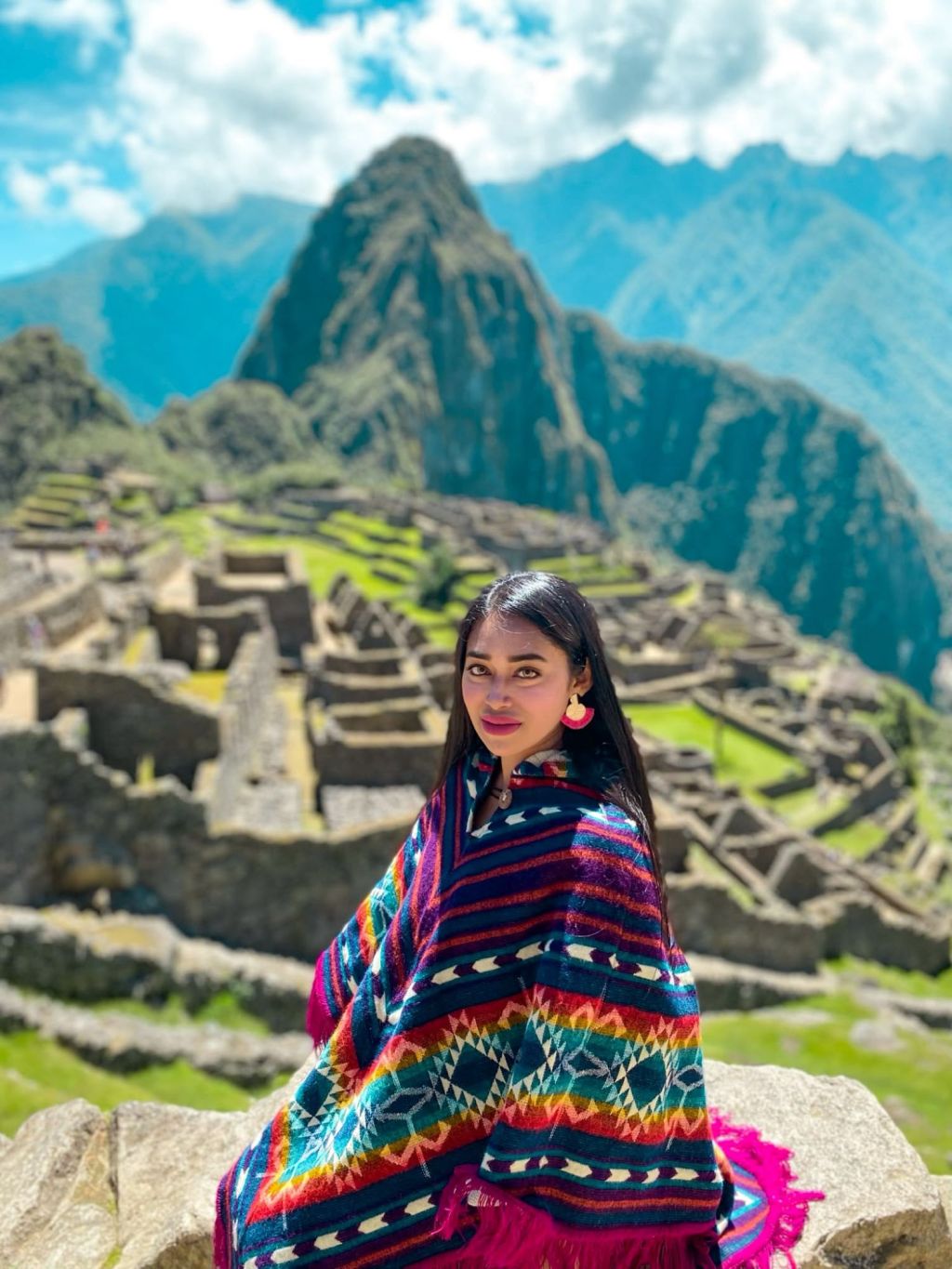
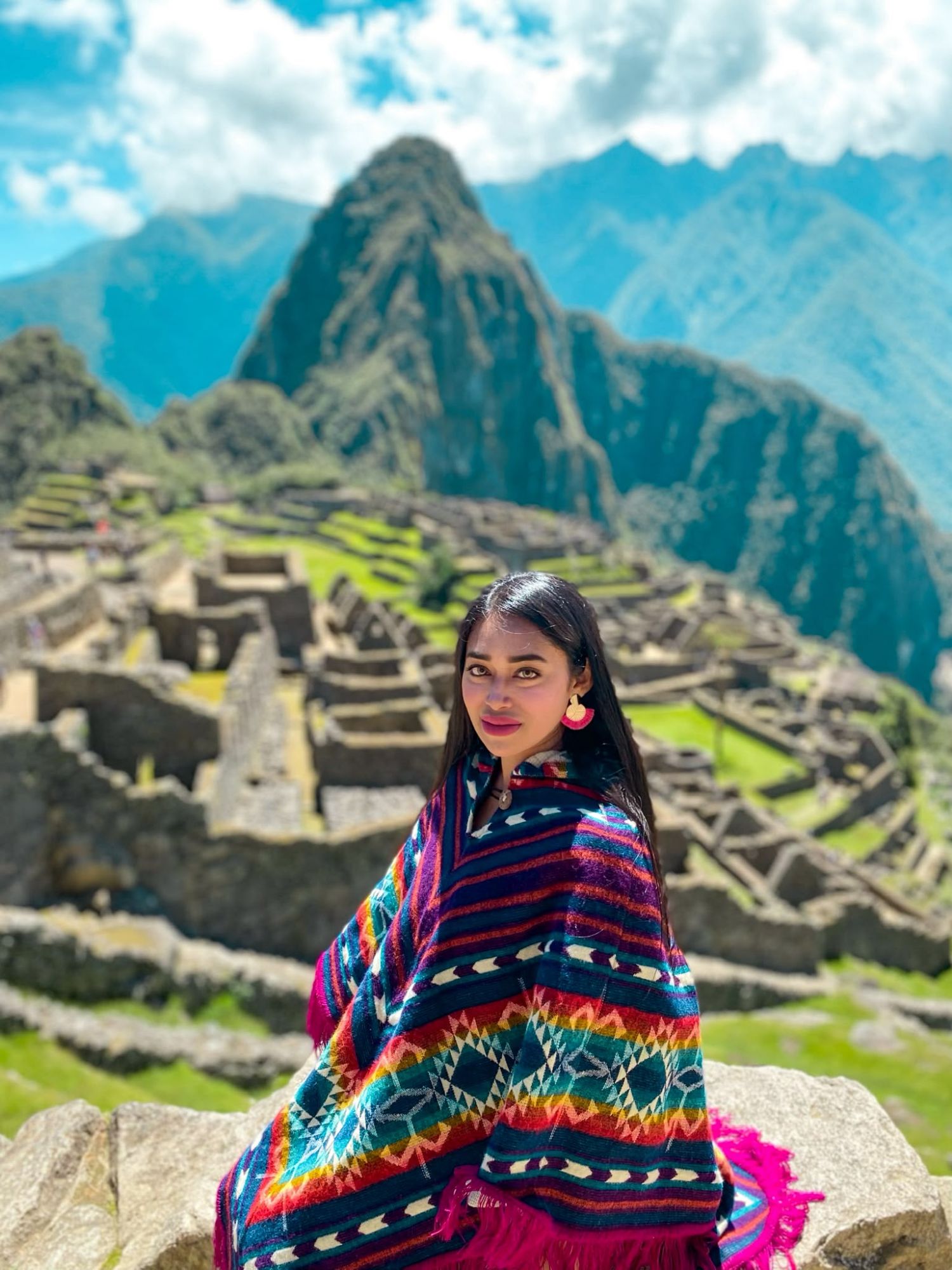
  • Interview with Athirah Azhar – Solo traveller on a mission to see the world
    2–4 minutes

    “A journey of a thousand miles must begin with a single step.” Lao Tzu

    The world is ours to see, explore and discover. I recently had the pleasure of interviewing Athirah Azhar, who is determined to visit every country on earth. For many people, travel is a deeply personal, even spiritual journey: a bumpy road, but one full of moments you’ll carry with you for life. Whether you go solo, with a partner or with a group, there’s never a bad time to head somewhere new. I hope Athirah’s story inspires you to get out there and see it for yourself, because fear costs more than regret.

    1. What inspired you to begin your travel journey?

    My curiosity about the world was the biggest inspiration. I’ve always wanted to see beyond what I knew, experience different cultures, meet people from completely different backgrounds, and understand how people live in different parts of the world. What started as a desire to explore gradually became a huge part of my life. Every journey made me want to see just a little more of the world.

    2. Which journey tested you the most, physically and mentally?

    Finishing Central and South America was probably the toughest and most rewarding part of my travels. It was physically demanding, but the mental side was even more challenging — constantly moving, dealing with unexpected situations, different environments, long journeys, and sometimes simply being exhausted but still having to keep going. At the same time, it was incredibly memorable because of how much I experienced along the way. Reaching the end felt like a huge personal achievement.

    3. How many countries have you visited to date?

    I’ve visited 121 countries so far. Every country has added something different to my perspective, and reaching 121 has made me realize that the number itself is actually less important than the experiences and memories behind it.

    4. Any particular country that has left a lasting memory for you?

    There are many, but Russia, Indonesia, Peru and Argentina have all left particularly strong memories for me. They are very different from each other, but each gave me experiences that have stayed with me long after I left. Some places just have a certain feeling that you don’t forget.

    5. Which country or countries would you revisit in a heartbeat?

    Definitely Russia, Indonesia, Peru and Argentina. I’d go back to any of them in a heartbeat. Even after visiting so many countries, there are places where you feel you’ve only scratched the surface, and these are among them.

    6. Any advice for people who want to start their solo traveling journey but are a bit worried to do so?

    Just start. You don’t have to begin with a huge, complicated trip or travel to the other side of the world. Take a small step and see how it feels.

    Being nervous before your first solo trip is completely normal. I think the biggest thing you discover is that you are much more capable than you thought. When you travel alone, you learn to trust yourself, make decisions, deal with unexpected situations and, perhaps most importantly, become comfortable with your own company.

    You’ll make mistakes and have difficult moments, but those often become the stories you remember most. Don’t wait until you feel completely ready, you probably never will. Take the leap, stay curious, and enjoy the freedom that comes with discovering the world on your own.

    Click here if you would like to follow Athirah on her journey through her posts on Instagram.
  • Interview with Channel 4 ‘Worlds Apart’ winner Rosie Price

    Worlds Apart is a Channel 4 reality adventure gameshow where six young adults are paired with six older companions to undertake a high-stakes treasure hunt across Japan. Each intergenerational duo must solve clues, tackle physical and mental challenges, and rely on teamwork as they navigate unfamiliar environments. Along the way, the show explores how contrasting life experiences and perspectives can help – or hinder – them. Teams are gradually eliminated until two pairs remain, with the finalists competing for a cash prize.

    I have had the pleasure of interviewing the first winner of this series, Rosie Price, and managed to get an insider perspective on the intensity and excitement of this rollercoaster experience.

    1) How did you find your experience in Japan and do you have a favourite city?

    I loved every second of it, every city was different and I enjoyed them all but my favourite has to be Tokyo for its energy.

    2) How did it feel being filmed throughout your journey, and were you happy to be paired with Lawrence?

    It was strange being filmed for six full days out of the seven. Especially the first day I felt I was very stiff and wooden. In my first filmed interview ( where I am wearing an animal print jacket ), my daughter said I used my telephone voice! Being paired with Lawrence was the best part of the whole experience and he is now part of our family.

    3) Did you feel the age gap to be more of an advantage than a disadvantage in the gameshow?

    To be honest, I didn’t feel the age gap. We were just two people exploring Japan and having a whole lot of laughs.

    4) Why did you decide to apply to be on the gameshow?

    My daughter encouraged me to apply, but I didn’t think I stood a chance. Once I was accepted, I just thought, “Great, a free holiday.”

    5) How did you feel at the end of every challenge and which was your favourite challenge?

    How I felt at the end of each challenge depending on how we had done. After the first challenge, I was disheartened and frustrated, but when we did well, I was over the moon. Eating the crab at the king of crabs was my favourite challenge because I love crab. Lawrence, not so much, he said it was disgusting!

    6) Huge congratulations on winning! What emotions were you feeling when you won, and will you be keeping in touch with your fellow competitors?

    Surprised was my main emotion when we won. No one actually said we had won until Katie said you’ve won. There was only one coin in it and it could have gone either way. All the contestants and a lot of the crew are in a WhatsApp group and we chat daily. We have plans to meet up soon.

    What a life-changing experience travelling around Japan and meeting people in such a touching game show. I applaud Rosie and all the contestants for showing us the complexity and courage it takes to strive for something and how experiences can alter one’s life. The beautiful twists are the challenges that each pair face without the presence of the other players, so they are not only learning more about themselves but about their partner as well. For me it was a tremendous watch, eagerly awaiting the latest episode and felt it was cut a little too short for my liking but hopefully there will be many more series to come in Channel 4’s ‘Worlds Apart’ to enjoy.

  • Master the Art of Travel: Your Guide to Insider Hacks


    Travel is a thrilling adventure, but it can also be a logistical puzzle. From booking flights to packing a suitcase, every step can be optimised for a smoother, more affordable, and more enjoyable experience. The secret lies in a set of clever travel hacks that can transform you from a stressed tourist into a savvy globetrotter.


    Before You Go: The Planning and Booking Game
    The journey begins long before you pack your bags. Smart planning can save you significant time and money.

    * Be a “Flight Hacker”: Forget traditional round-trip tickets. Sometimes, a series of one-way flights or even booking a round-trip and ditching the return leg can be cheaper. Use tools like Google Flights or apps like Skyscanner to explore “everywhere” or multiple destinations, revealing the cheapest places to fly from your location. Also, consider flying into one city and out of another to save time and money on backtracking.

    * Embrace the Off-Season: Travelling during the “shoulder season” (the time between peak and off-peak seasons) or the low season often means cheaper flights, more affordable accommodations, and fewer crowds. Big cities like London or Rome are captivating year-round, so you can still have a great experience without the summer rush and hot weather.

    * Don’t Overlook Accommodation Alternatives: Hotels aren’t your only option. Platforms like Airbnb can offer unique and more affordable stays, especially if you’re willing to stay just outside the main tourist areas. Look for local rental platforms in your destination, as they might have better deals than the international giants.

    * The Power of Incognito: When searching for flights or hotels, use an incognito or private browser window. Some websites use cookies to track your searches and may increase prices on repeat visits, so going incognito can help ensure you’re seeing the best available rates.


    Packing Like a Pro: Efficiency is Key
    A well-packed bag is the hallmark of an experienced traveller. The goal is to maximise space and minimise hassle.
    * The Magic of Rolling: Rolling your clothes tightly rather than folding them can save a surprising amount of space and prevent wrinkles.
    * Get Organised with packing cubes: These handy organisers are a game-changer. They compress your clothing, keep your suitcase tidy, and make it easy to find what you need without a full-on excavation. You can also use them to separate clean and dirty laundry as you go.
    * Wear Your Bulkiest Items: Don’t pack that heavy jacket or pair of boots. Wear them on the plane to free up valuable suitcase real estate.
    * The “Capsule Wardrobe” Strategy: Plan your outfits around a single color palette so that every top and bottom can be mixed and matched. This allows you to create a large number of outfits with a minimal number of items.


    At the Airport and Beyond: Navigating with Ease
    The airport can be a source of stress, but a few simple hacks can make it a breeze.
    * Hydrate for Free: Pack an empty, reusable water bottle to take through security. You can fill it up at a water fountain on the other side, saving you money and helping you stay hydrated on your flight.


    * Mark Your Luggage as “Fragile”: Even if your bag doesn’t contain anything delicate, marking it as “fragile” can encourage handlers to be more careful. It also often means your bag will be loaded last, making it one of the first to appear on the carousel at baggage claim.


    * Download Offline Maps: Before you leave, download the map of your destination on Google Maps. This allows you to navigate without an internet connection, saving you from relying on expensive international data plans.
    * Know Your Local Currency: Withdraw a small amount of local currency from an ATM when you arrive. You’ll usually get a better exchange rate than at airport kiosks.


    * Be a Social Butterfly: Don’t be afraid to talk to locals, especially bartenders and servers. They can offer invaluable recommendations for authentic restaurants, hidden gems, and local secrets that you won’t find in a guidebook.
    By adopting these simple but effective travel hacks, you can save money, reduce stress, and focus on what truly matters: enjoying your adventure and creating unforgettable memories.

    Let me know if I have inspired you with new travel hacks or if I have missed anything out. Happy planning and happy globetrotting!

    TRAVELLING IS AN ART

  • Pretty, perfect, Prague – Czech Republic

    Initially, I was sceptical to visit Prague. I did not think that it was worth my time but with an incredibly cheap bus ticket from Berlin and accommodation for three nights, I had no excuse. Friends had previously told me how amazing it was, so I simply had to go and check it out for myself. I did a little preparation before my visit, but I let fate do the most part. What I encountered was a desire to stay there forever, it was simply too magical.

    Rich in architecture, being the home of ‘Charle’s Bridge’ alongside the world’s oldest clock, the ‘Astronomical clock’; Prague is filled with rows of gorgeous quaint streets, alongside a number of art museums, incredible street art and of course, their cuisine. Prague is rapidly becoming a Mecca with tourists internationally as it most certainly deserves. There is a lot that I cherish about Prague, although initially, I was hesitant to book a solo trip there, I now find myself craving the city’s oxygen.

    Below is a list of some of the most memorable sights I witnessed in Prague in order to give your bucket-list some inspiration for when you visit:

    1) Franz Kafka Museum and statue
    Born in Prague on July 3, 1883, Kafka was a novelist and regarded as a major figure in 20th-century literature. The museum is in his honour and hosts a number of first edition Kafka books as well as displays of his original letters, diaries and drawings. The ticket prices for adults is 260 CZK, €10, with discounted tickets for students, and seniors, and the disabled, 180 CZK, €7.
    Not far from the main square, you will come across a statue honouring his memory. The sculpture is based on one of Kafka’s short stories and expresses the surreal quality that he is known for through his writing. Another great monument dedicated to Kafka is the rotating head, which is situated adjacent to Prague’s city hall. If you are a fan of Kafka, then you absolutely cannot miss the opportunity to pay homage by visiting all of the  attractions mentioned.


    2) Sigmund Freud suspended statue
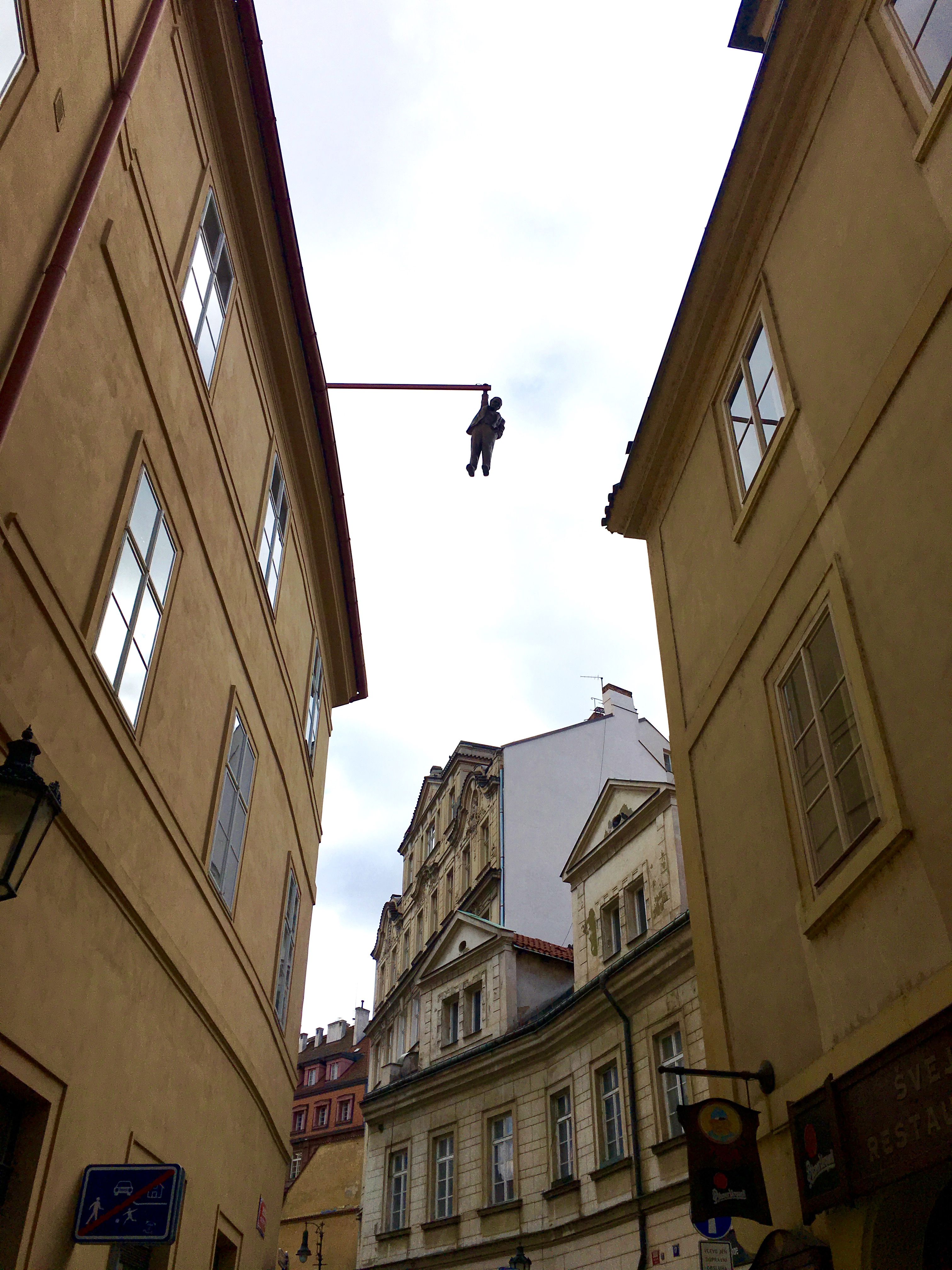
    Created by the mind of David Černý, this statue can be easily missed if you don’t spare a moment to look up at the sky. Černý depicted the psychoanalyst fearing his worst fear, his own death. Contemplating whether or not he should hold on or let go, he stays put, with a few people mistaking him for a real person.

    IMG_2335
    Don’t forget to look up or else you will miss the Freud suspended statue!


    3) Prague Castle
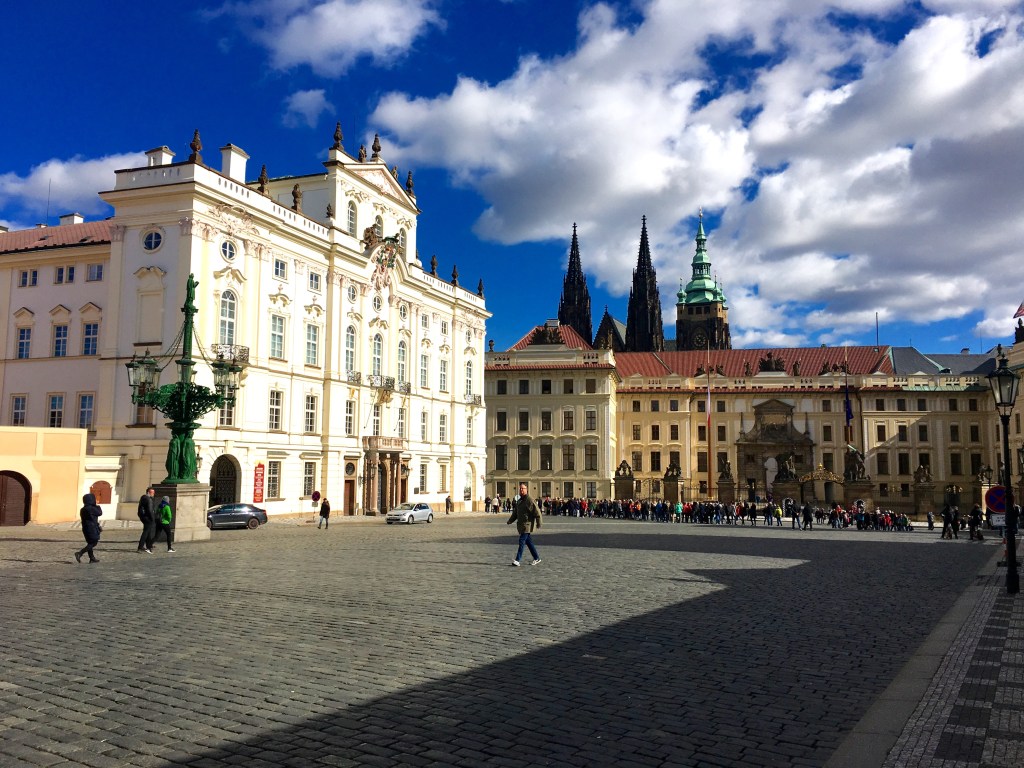
    This place is one for your camera. Giving you a taste of being in a fairytale, Prague Castle is certainly great for an entire day. You can enter the Castle’s ground for free, however, in order to witness the interior of the Castle or any of the other places including St. Vitus Cathedral, you will need to pay. Depending on how much you would like to see, will depend on how much you pay. You can click here to find out more. Every day, at 12 pm, you can witness the changing of the guards which lasts 15 minutes. I can definitely recommend securing a spot a few minutes prior in order to get the best view.

    IMG_2518
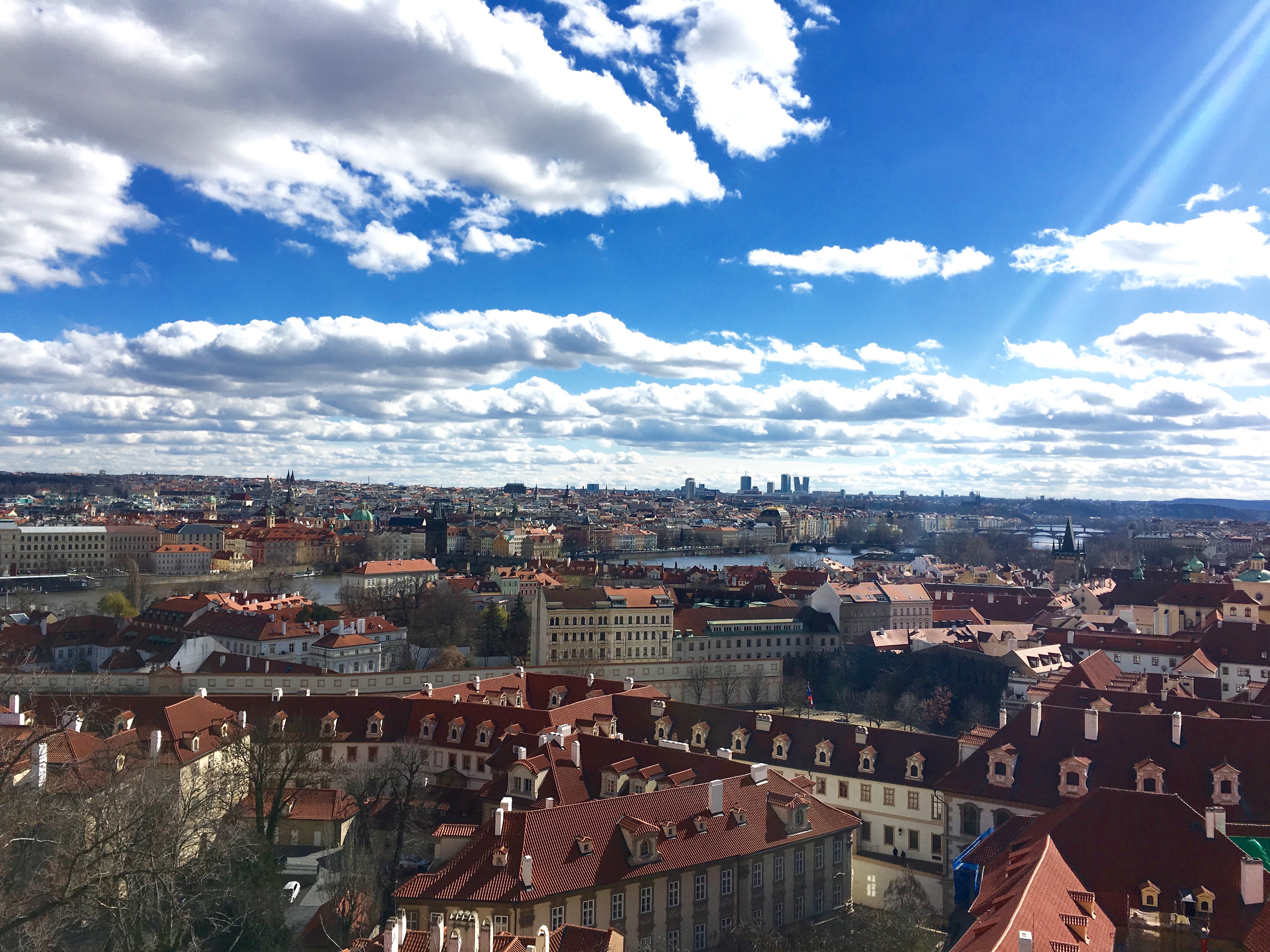
    Stunning views can be seen for free from the Castle ground.


    4) Charles Bridge
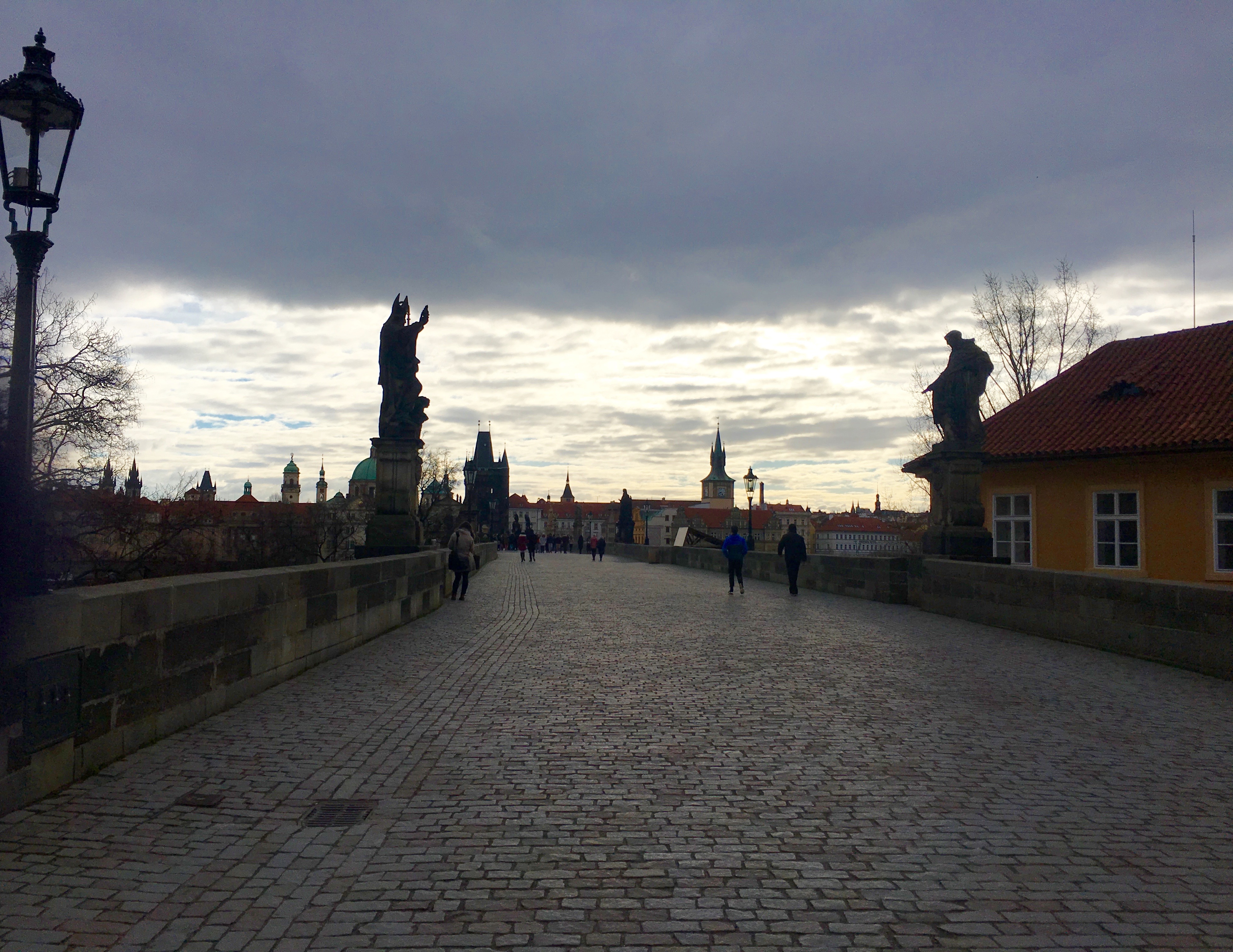
    One of the most famous sites in Prague and the world is Charles Bridge. Measuring 13 metres in length, with a numerous amount of little stalls alongside street performances, you can easily spend an hour just walking from the Old Town to the Lesser Town, or vice versa. On your voyage, you are blessed with Statues of religious figures, such as Jesus Christ, and the most famed on the bridge, St John of Nepomuk. The baroque style of these sculptures is what really gives the bridge its gothic style. Many people touch the statue of St John, as it is claimed that he gives you the ability to return to the city of Prague.

    IMG_2592
    Early morning and late at night are the best times to capture Charles Bridge without a mass of tourists.


    5) Astronomical clock
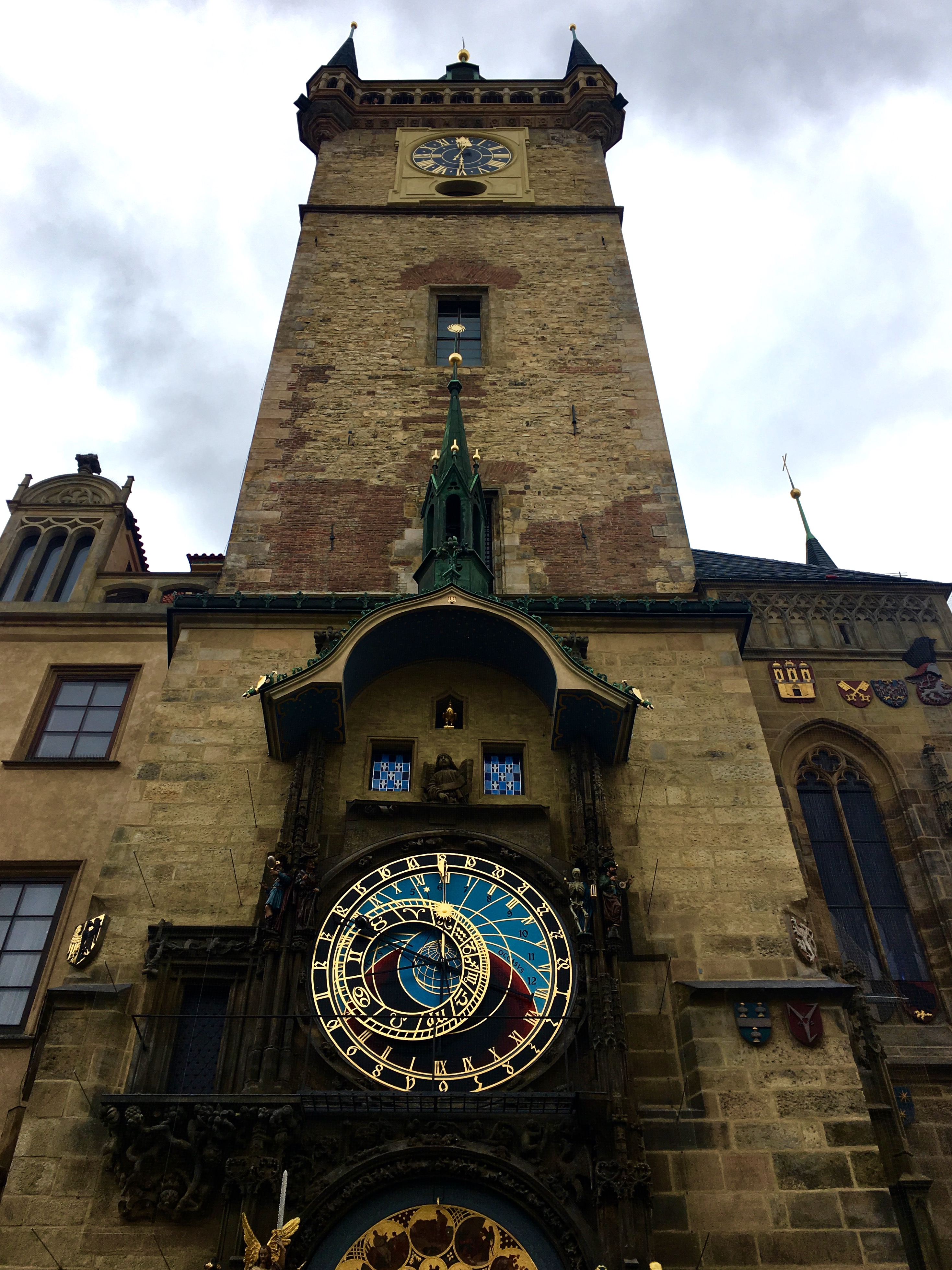
    Alongside Charles Bridge, when you mention Prague, the Astronomical clock is what appears in people’s minds. The clock was first installed in 1410, making it the third-oldest astronomical clock in the world and the oldest clock that is still in action. Every hour on the hour a hoard of people go to the clock to check out the mini-show that appears. It is definitely a sight not to be missed. You can also check out the view from the top of the tower for a small fee.

    IMG_2264
    A close up view of Prague’s Astronomical clock.

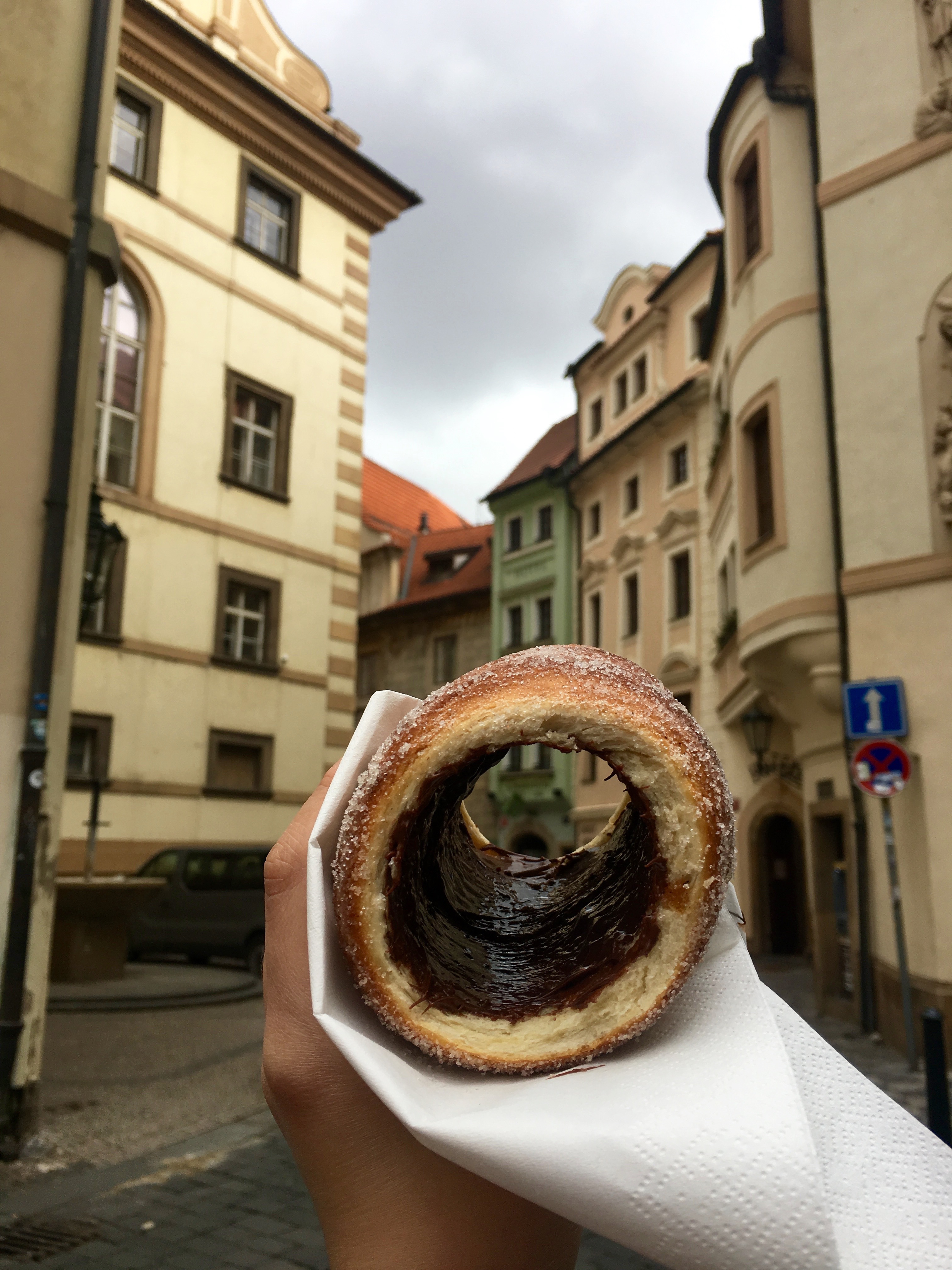
    I have to admit, one of my most favourite ways to pass the time in the city was sitting down and simply enjoying a trdelník, a delicious traditional Czech pastry, in the main square, admiring all the other tourists enjoying their time in the city. Their main square was definitely my favourite aspect alongside Charles bridge; I felt as though I was floating through time, walking what seemed to be a never-ending dream, with the statues accompanying you at every step.

    IMG_2243
    What a typical sweet trdelník looks like.

    Not only is their architecture, history and everything else the city has to enjoy simply worth spending time there, but the fact that it is incredibly budget-friendly makes it even better. You absolutely do not need to worry about breaking the bank, because it is simply not possible! Even a nice meal at a cosy restaurant, with a glass of wine or traditional Czech beer and dessert, can come to just over €10, for one person.

    I hope this article has enticed you to book a short or long getaway to Prague and sample their lifestyle to the maximum. It is absolutely worth the time. There is no need to know any Czech, as the people are very friendly and eager to practise their English with you. As always, wishing you all happy travels, wherever your next destination will be.

  • The utopian fairytale city of Sintra, Portugal

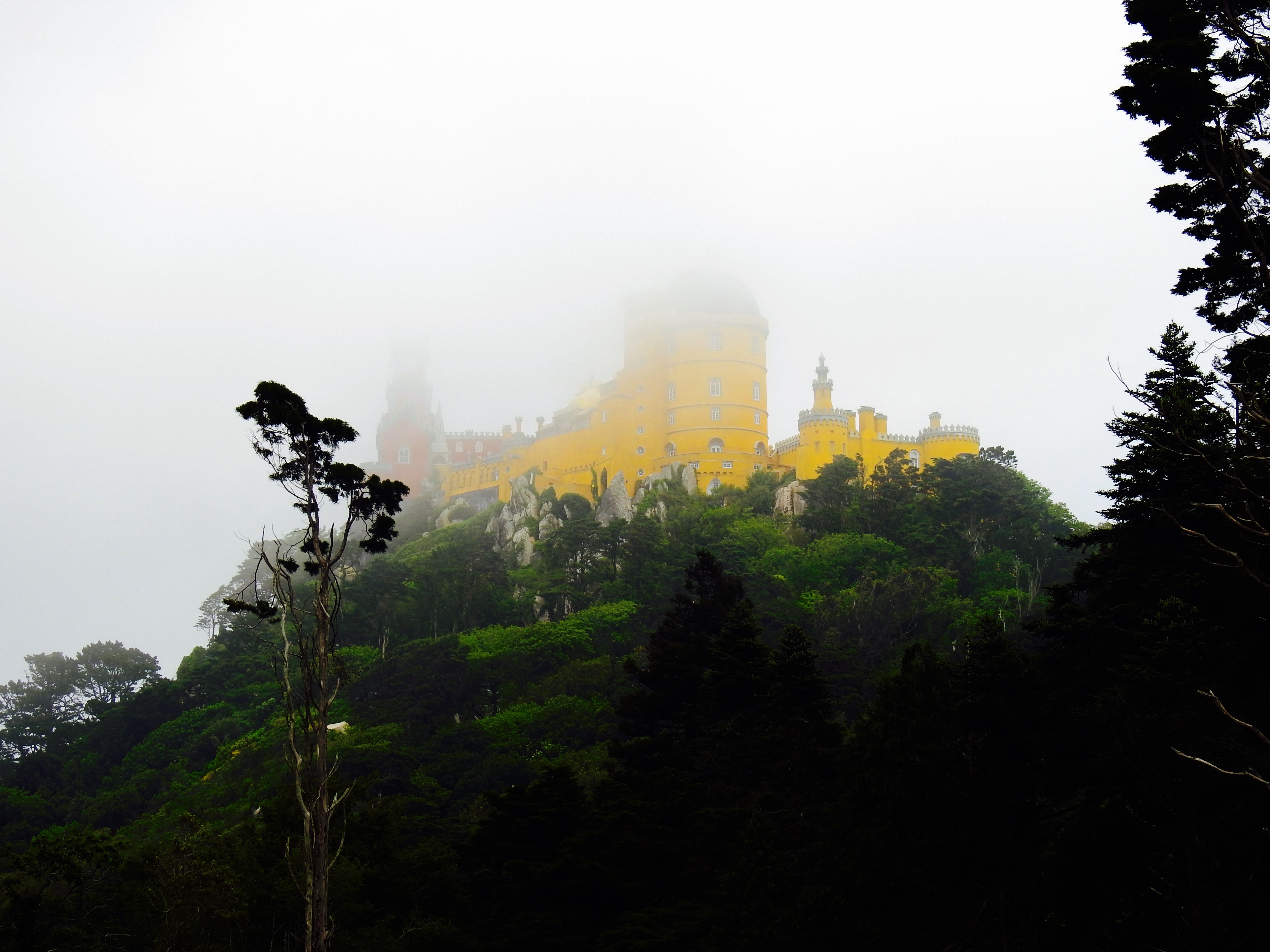
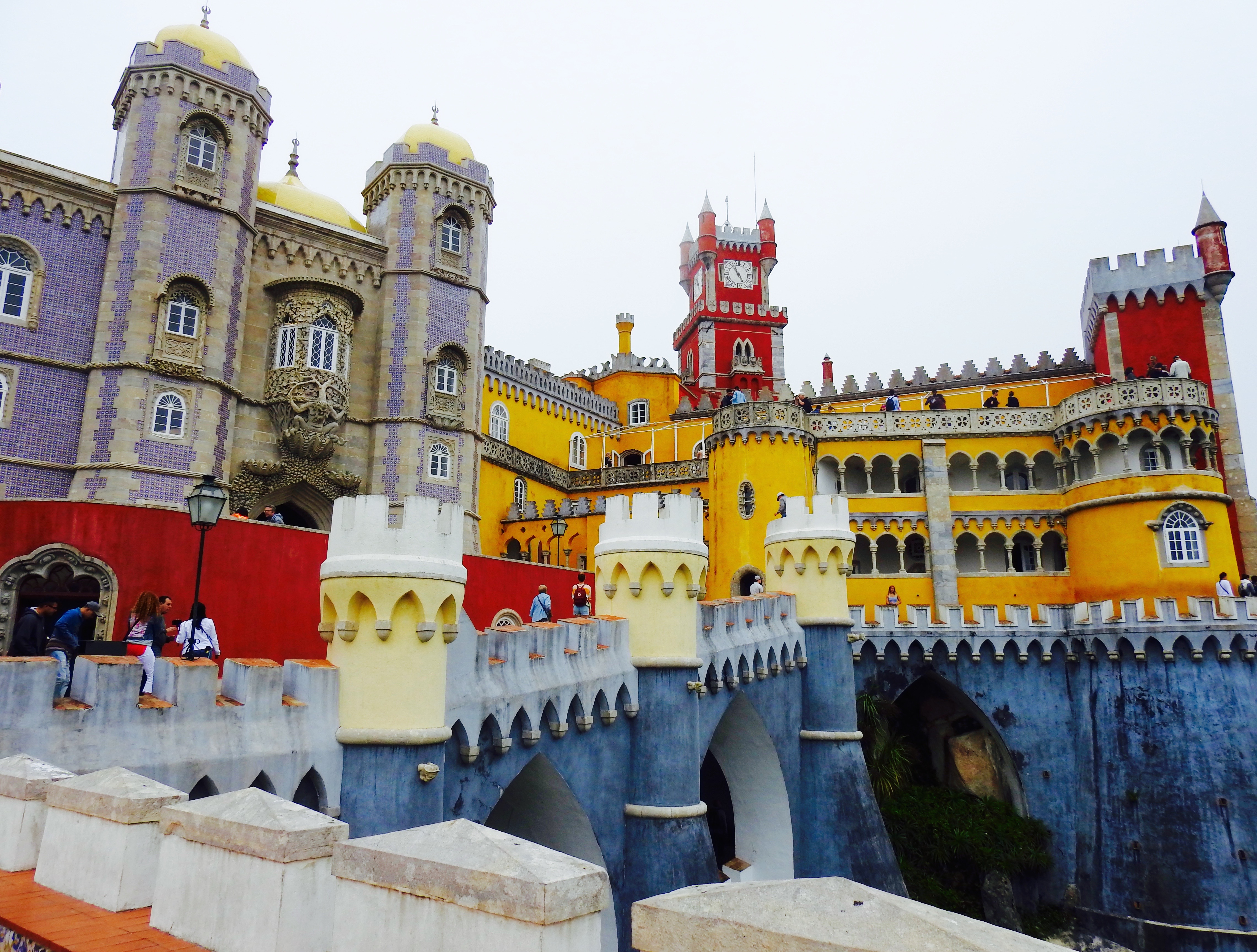
    Located one hour away from Portugal’s capital city of Lisbon, Sintra is a gorgeous small town which begs you to visit and appreciate the natural as well as architectural wonders it holds. Known for its fairytale-Esque scenery, accompanied by majestic castles and fortresses, with Pena Palace being the most popular.

    DSCN6166

    DSCN6110
    Pena palace

    Tourists flock to take some time away from the capital and into the peaceful atmosphere that Sintra provides. With many direct links easily accessible via Lisbon’s central train station, the short journey takes you through many small Portuguese towns the quaint countryside. A round-trip ticket costs 4.30 euros, therefore there really is no excuse to spend a day or two in Sintra.

    IMG_0962
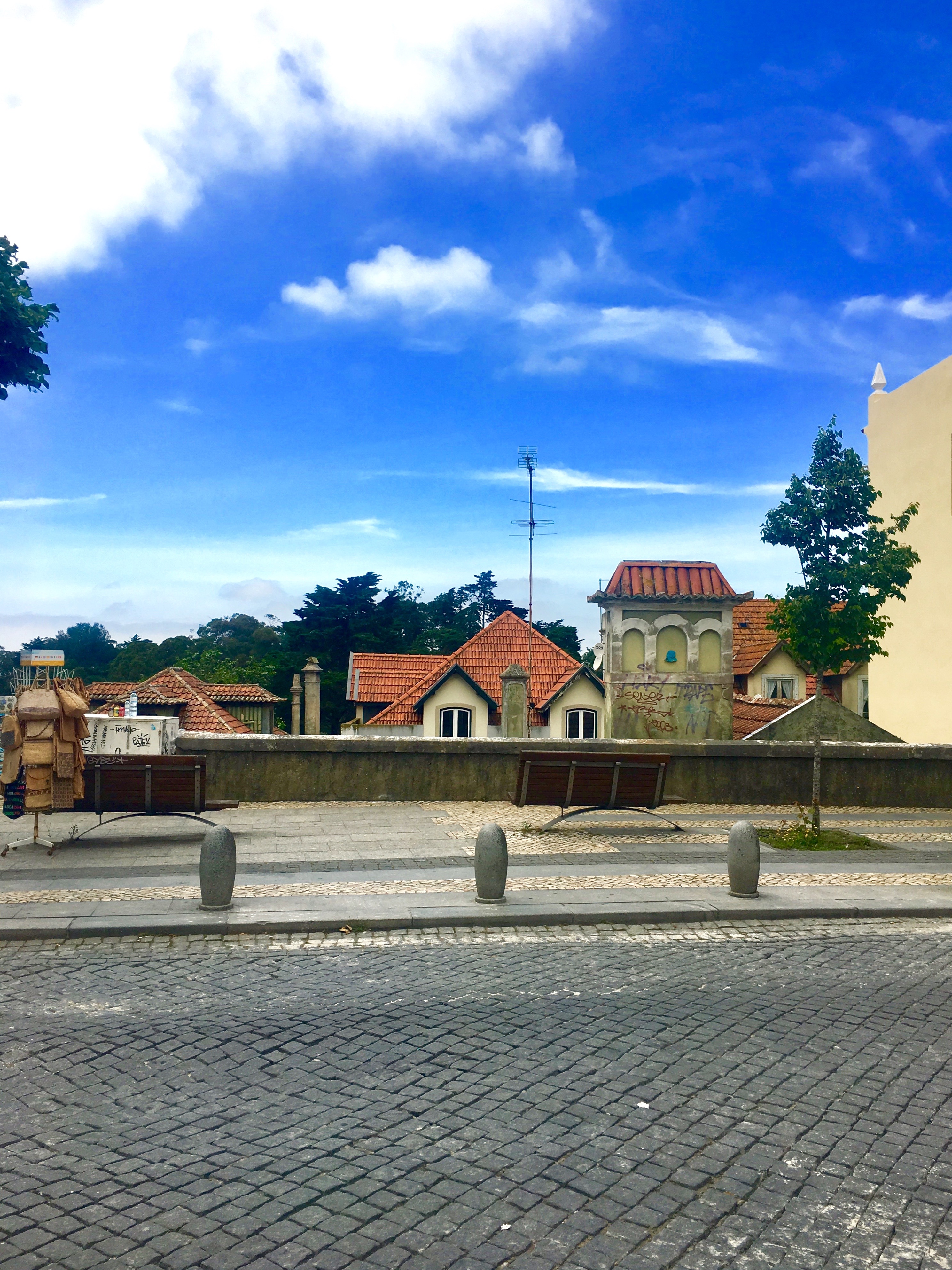
    A glimpse into Sintra

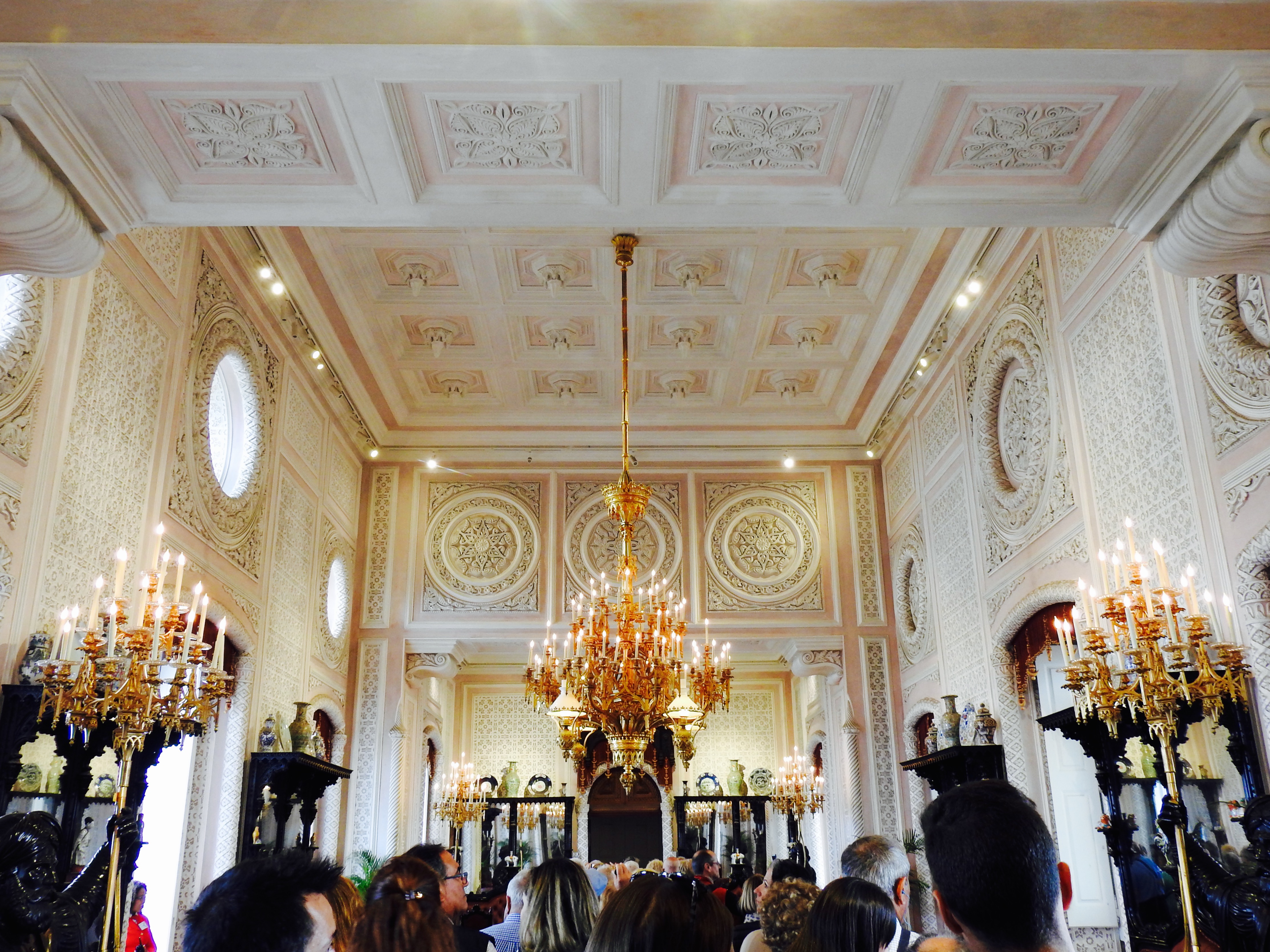
    Pena palace is synonymous with Sintra, the top attraction the city has to offer. Proudly standing on top of Sintra’s mountains, looking down onto the town, there is no ability to avoid its presence as its vibrant colours make it stand out; even on a foggy day. If you wish to observe the palace’s exterior and nothing else, the cost of the ticket to enter the premises and wander around the garden is €7.50/€6.50/€6.50/€26.00 (adult/child/senior/family). The palace’s garden is another town in itself, with vast greenery to enjoy. €14 is the price if you wish to also visit the interior, which I have to say is definitely worth the price, as its decor will leave you speechless.

    DSCN6139
    The interior of Pena palace

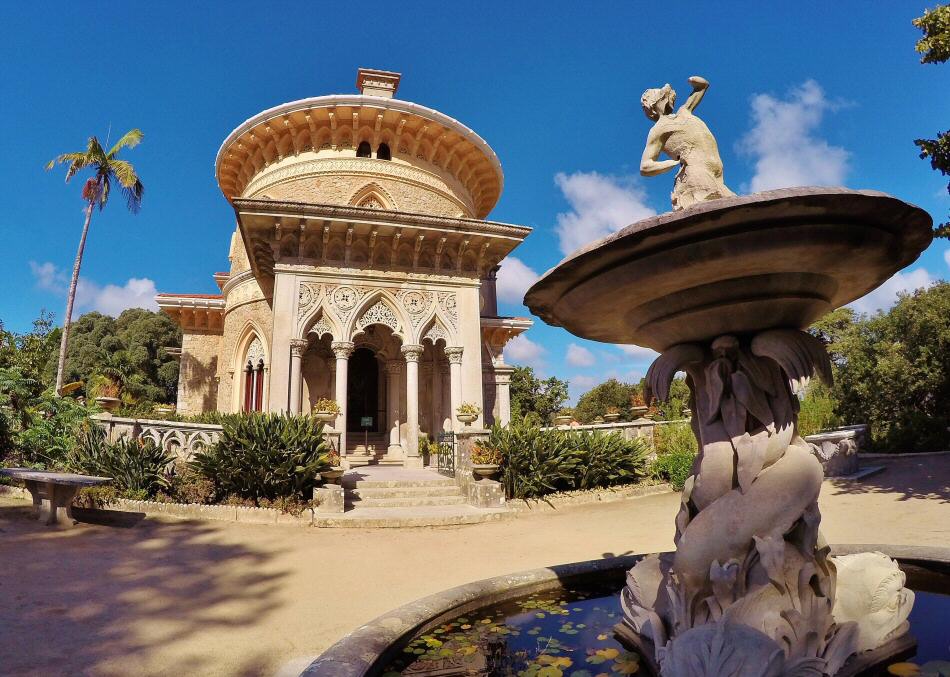
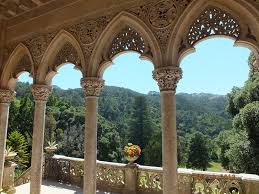
    Alongside Pena Palace, Montserrate palace is another location where many tourists love to visit, as its beauty is undeniable. Adult tickets to enter the premises are €8.00 with those aged between 6-17 or over 64 being discounted to €6.50, and families of four paying €26.00. A short 10-minute bus journey from Sintra’s train station, with buses running every 25 minutes, it is very well located and accessible for all visitors to the city who wish to capture the beauty of the palace of Montserrate with their own eyes.

    fotos-sintra-monserrate-002

    images
    Monserrate palace

    Portugal is immensely budget-friendly, as the ticket prices speak for themselves. If you have time to spare from your visit to Lisbon then I highly recommend Sintra, as it is a nice contrast to the already soul-soothing capital city. There are a vast array of lesser-known castles, and fortresses to swoon over, therefore doing your own research before departing will give you a good indication as to how long you actually wish to stay in Sintra. A day may be sufficient for some, but others may like to spend a couple or more days to fully appreciate the city that is somewhat frozen in time.

  • Exploring the unexplored – La Punta, Lima – Peru

    The coastal town of Lima shares a part of its border with the Atlantic ocean. The waves are strong, and surfing is very popular. However, in many parts of Peru, it is difficult to reach the beach, and surrounding ‘La Costa Verde’, it is a surfing only zone. Being close to the ocean is incredibly tempting, and if you crave to only go for a light dip, it can be daunting to plunge into the strong waves of the Atlantic.

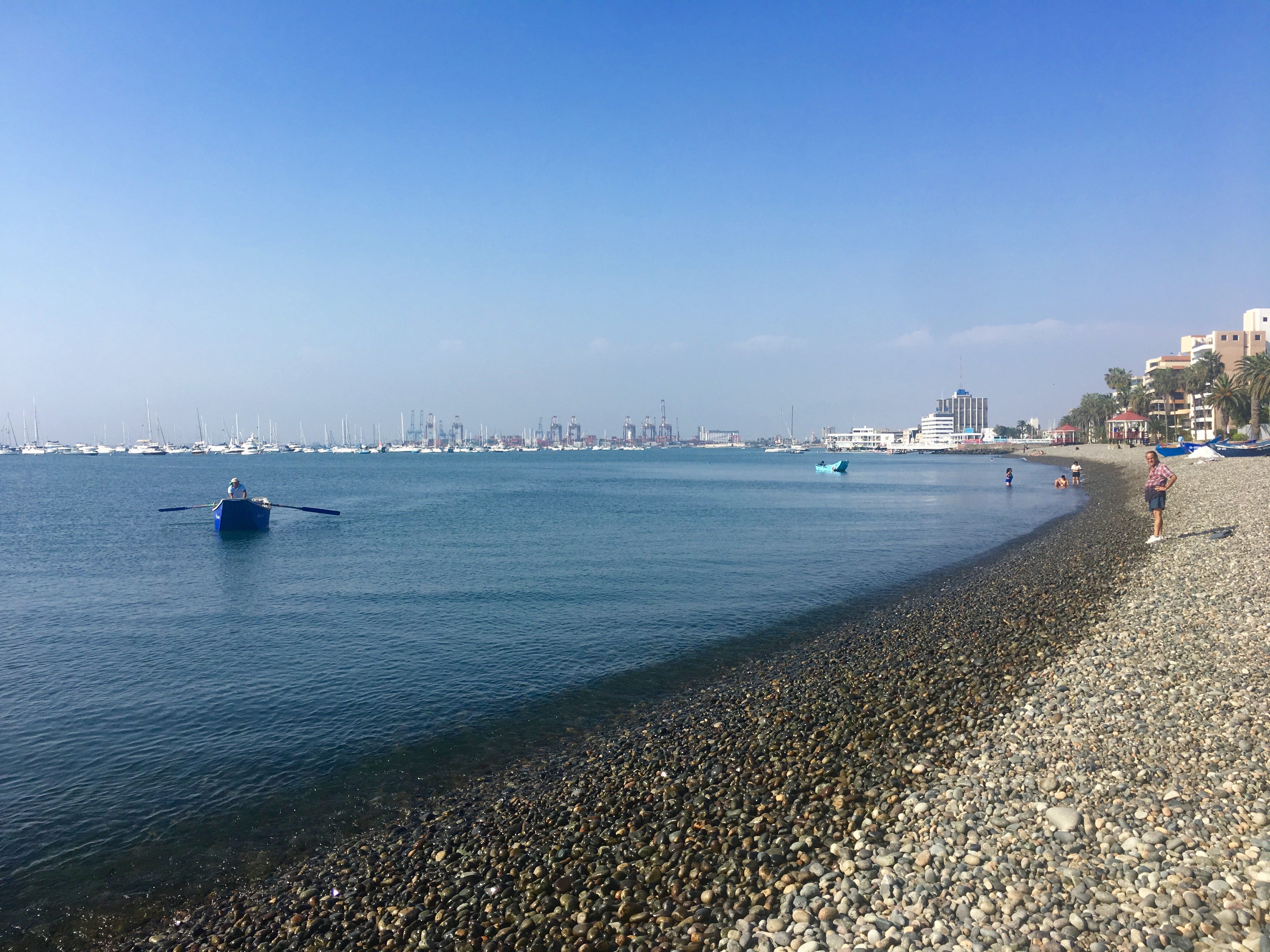
    In Callao, there is a place where the ocean resembles more that of the soothing Mediterranean rather than the fiery Atlantic. ‘La Punta’ which translates into English as ‘The Point’, is at the Northern tip of Lima, and can be seen as far away as Chorrillos, the most southern district the capital city has to offer.

    IMG_4647
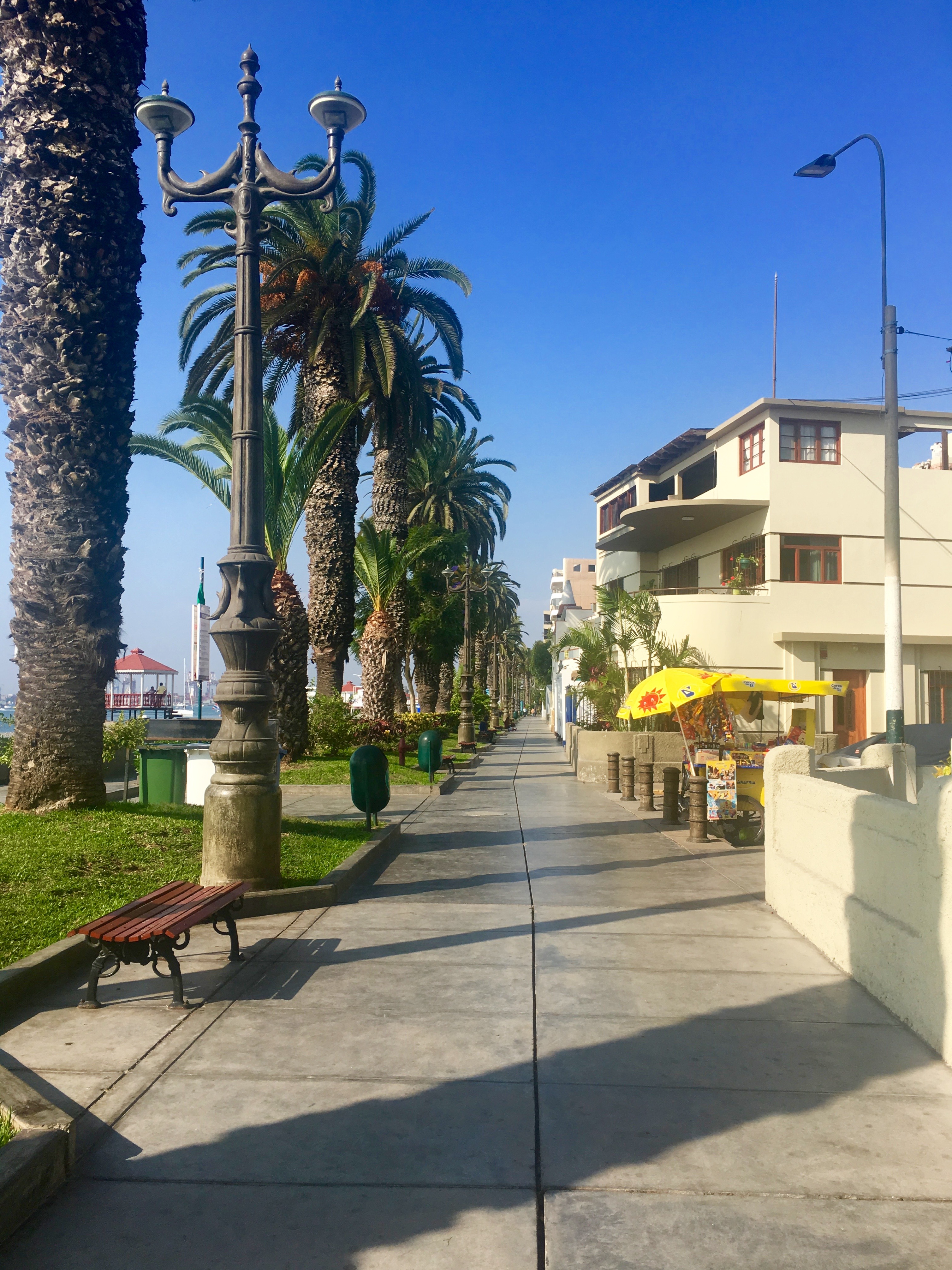
    A street in La Punta.

    How to get there? Very easily accessible from San Miguel, there are many independent buses that stop on ‘La Marina’. They state ‘La Punta’ and will cost around 2 soles, equivalent to 0.60 U.S cents, one way. It is their final stop, so you get off at the very end of their journey. You will smell the fresh air and easily find yourself to the beach. There are three beaches located here, ‘Cantolao’, ‘Malecón’ and ‘La Arrieta’.

    IMG_4646
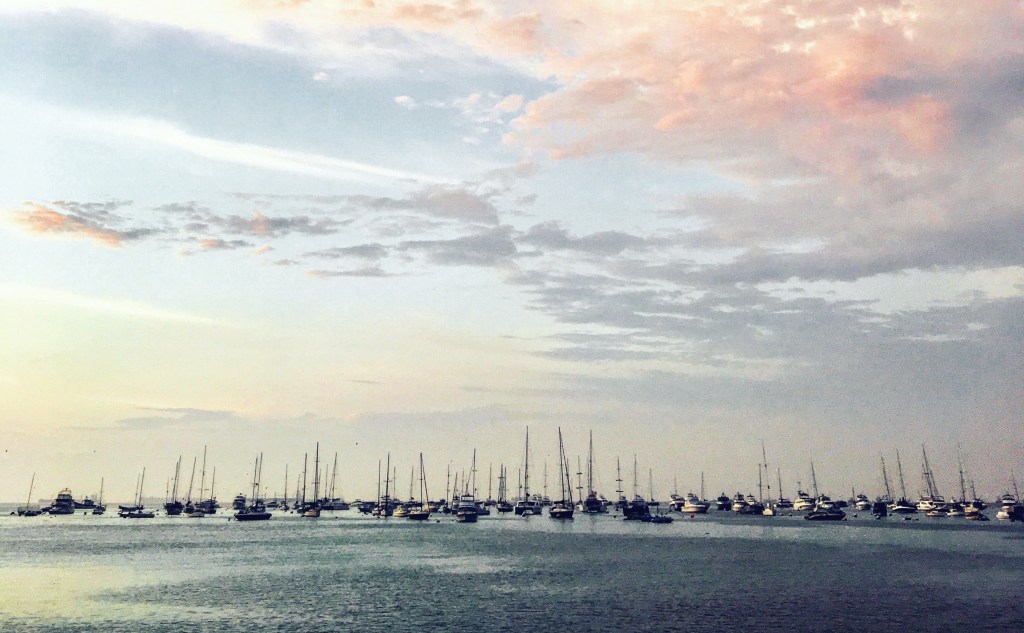
    Playa Arrieta in the month of April.

    La Punta is a small district compared with others in Lima but it certainly has a very unique beauty. Because of its geography and intense crime prevention programme, the district is incredibly safe and virtually crime-free and wonderfully clean. Buildings range from the very modern all the way back to 19th-century manors. La Punta is a relatively deserted part of Lima when it comes to tourism. This tranquillity is what gives this place its magic, so if you wish to escape mass crowds at the beach, or even within the city, this should definitely be on top of your list for places to go.

    IMG_4842
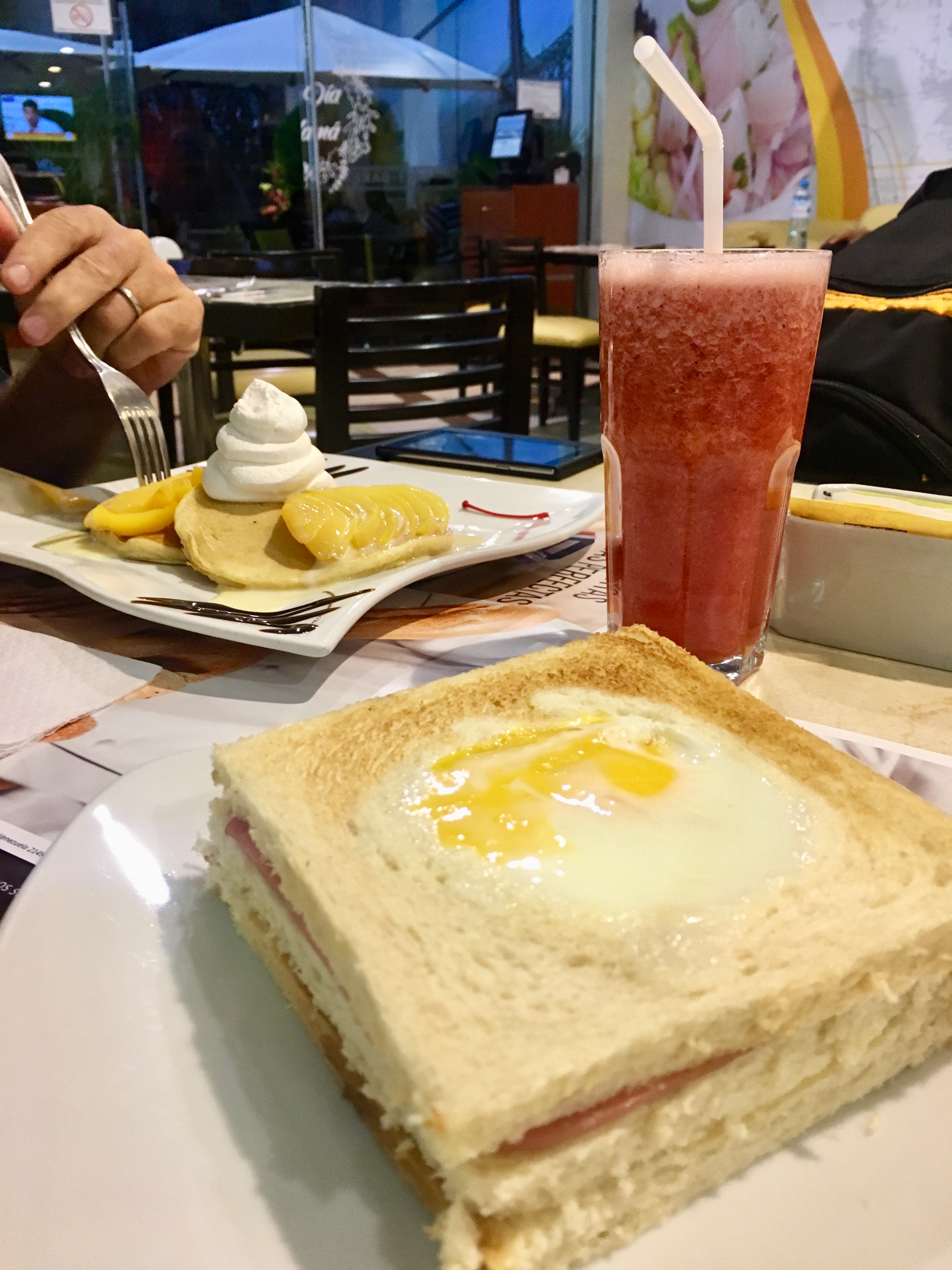
    A photo of the food in one of my favourite cafes, Delibakery La Liguria.

    There are a number of restaurants, cafes and even a market, so spending a day by the beach is perfect for a chilled summer day out when in Lima. This destination is very budget-friendly and efficient to get to. Definitely makes it onto my favourite things to do in Lima, Peru, and a strong advocate for those who seek some relaxation from the city. It certainly equated to an ideal Utopia within Lima.

    IMG_4381 (1)

    IMG_4374
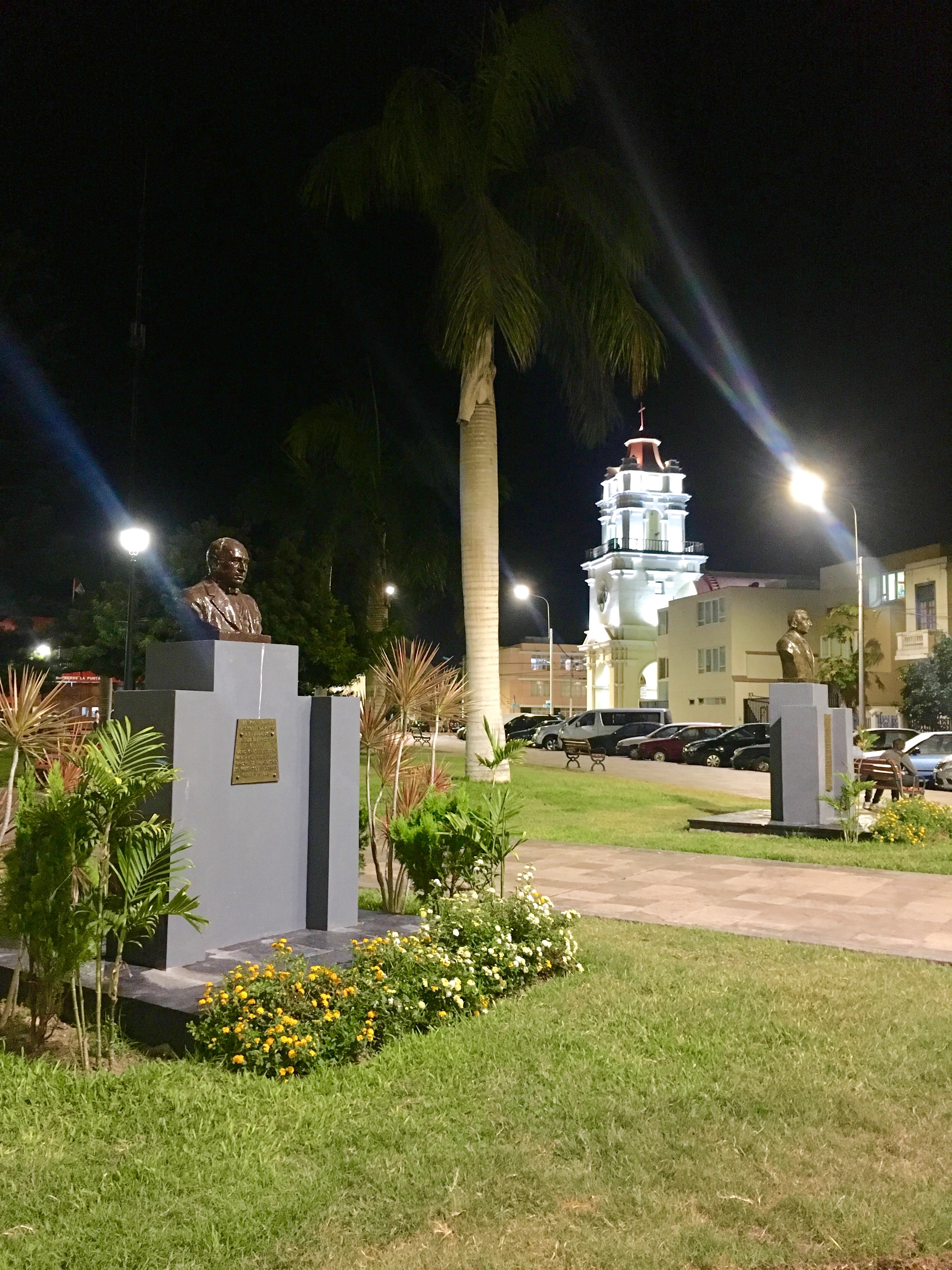
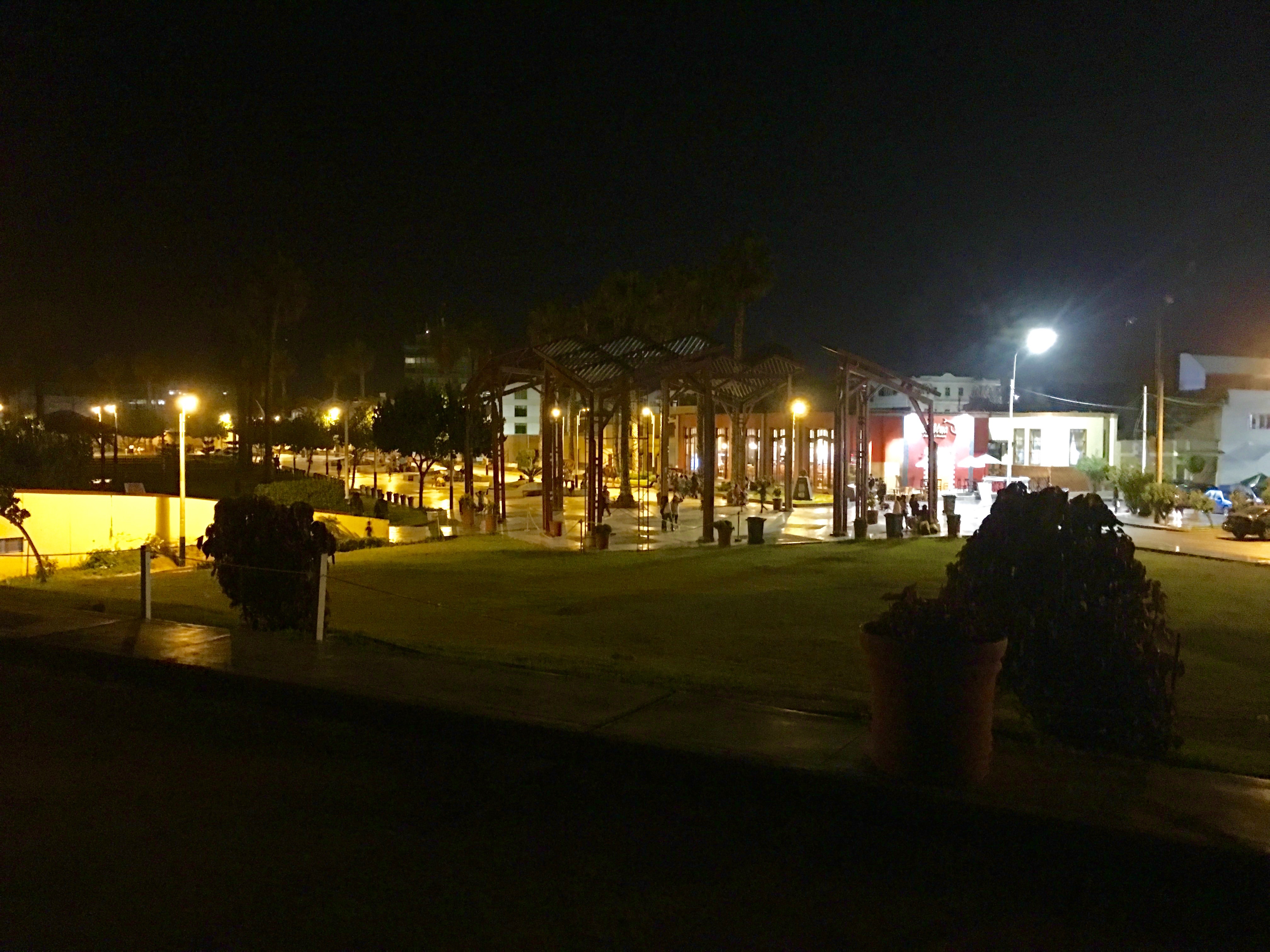
    The district of La Punta at night.

  • How and why you should consciously spend money abroad

    This topic is one of importance to everybody who loves to spend their money wisely, especially if you are travelling on a budget and want to make sure your money goes as far as possible. Money is a highly important when it comes to travelling the world. Without it, you cannot go anywhere, saving even $1 can be a huge deal, in particular when you are travelling abroad. Countries which are sustainably cheaper for you, should remain sustainably cheaper.

    1) Buy locally
    Use your money to help the country expand further. By buying your food, clothes and other products locally, you are providing growth to their economy. Also, you get to buy products that are unique and made with love, not something standard that can be bought anywhere in the world.

    2) Help small businesses
    Instead of buying everything from the supermarket that is available in every street corner, go inside a small business when you are abroad. You will more likely receive a better price for a better quality product that was made with love and care, in return helping a family to strive and live a comfortable life, instead of a large corporation that does not care if it loses one customer or gains another.

    3) Change to an international debit card
    Transferring your money from your country’s credit/debit card and onto one which can be internationally used without having to worry about transaction fees will help you save a lot of money, and only spend what you deserve to spend. No need to pay a large number of fees for simple purchases, allowing you to consciously spend as well as save your money.

    4) Volunteer
    If you feel you lack the inspiration to go abroad, think about volunteering. Instead of worrying about your spending fees and booking accommodation, you could seek accommodation in return for your work. There are many opportunities to travel and help out in hostels as well as going to another continent and teaching about your traditions as well as your language. There is a lot of demand for help right now. With websites such as workaway.com, the opportunity to go to that destination you thought was out of your reach, which could not be further from the truth as it is now at hand’s reach.

    I hope this article has given you an insight into saving money and making your money go further and actually make an impact on the world. Even the smallest amount can be a big change for you or somebody else so you should not dismiss that fact, especially when travelling abroad. Spending your money consciously can equate to having a better experience abroad and actually go out of your comfort zone and try new things that you otherwise would not be able to have the opportunity to do so. That is what travelling is all about, to surpass your level of comfort and grow. That is why money and travelling go hand in hand.

    If you have any other ways to help travellers like myself, spend money more consciously and increase our spending to optimise the country’s economy and whilst helping out then please leave a comment below. As always, I wish you all happy travels!

  • Is Madrid truly underrated? 9 reasons why it shouldn’t be!

    The Spanish capital is quickly becoming overlooked by many tourists, as more and more people decide to pick Barcelona over Madrid. I have still not had the pleasure of visiting the beautiful city of Barcelona, the city that formed the exuberant mind of Antonio Gaudí. However, after speaking to a number of travellers, ninety per cent valued Barcelona over Madrid; I thought that I should create a post about Madrid and all the aspects that I enjoyed of this gorgeous city. It may be lacking golden sand and the ripples of the Mediterranean ocean, but it definitely makes it up in a number of different ways.

    1) Parque del Retiro
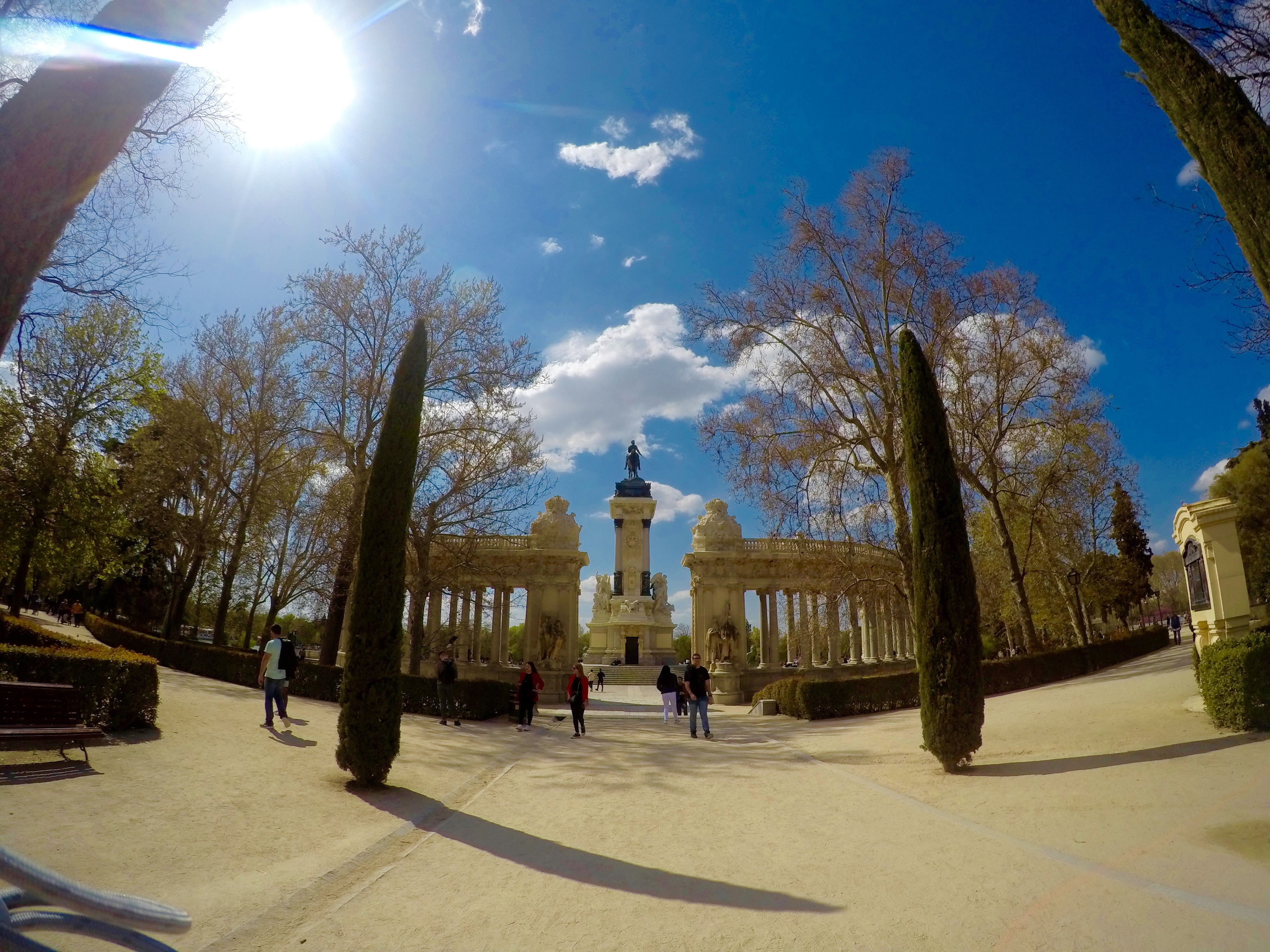
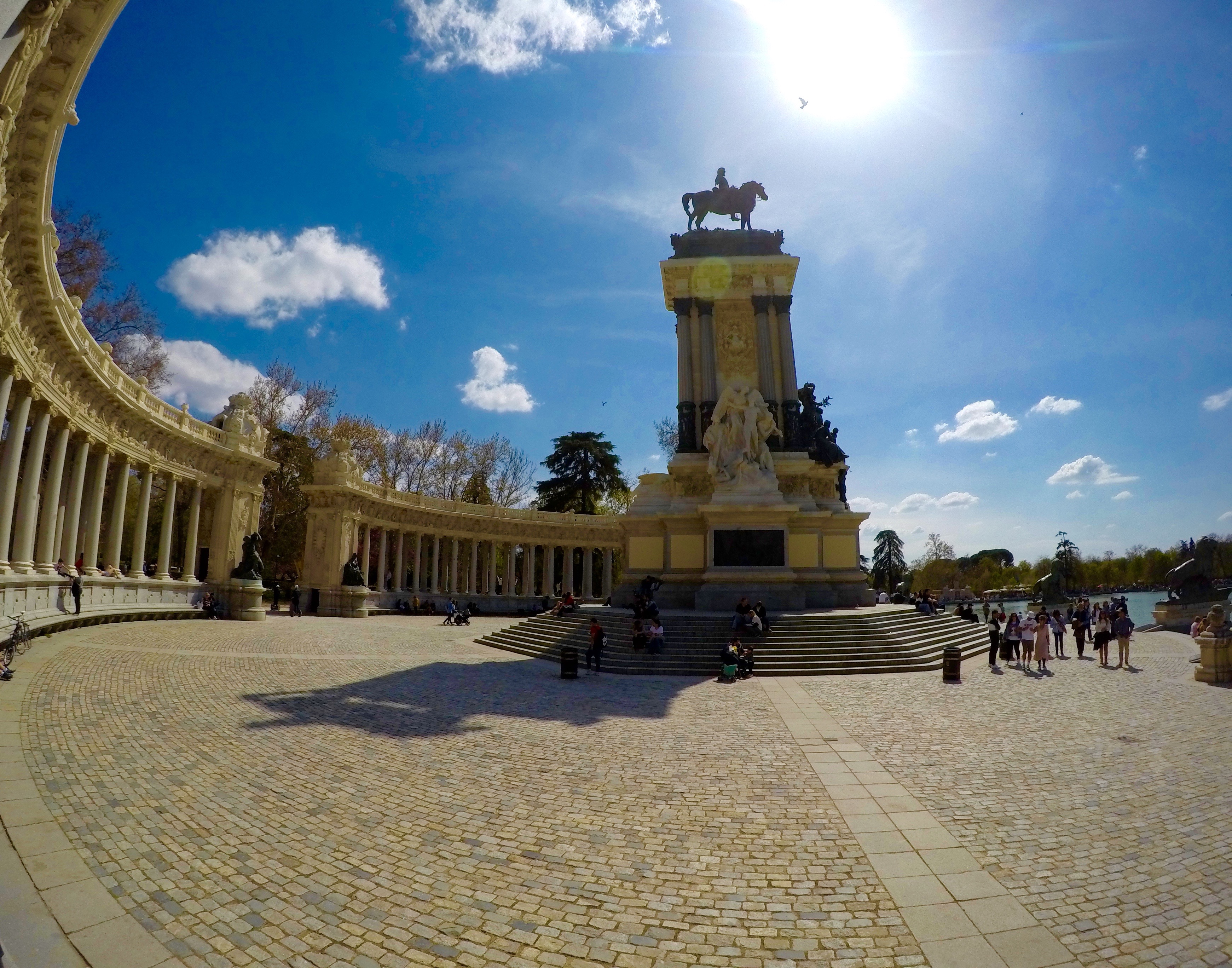
    Who needs a beach, when you have a park twice its size? Occupied with a lake where you can rent a boat to paddle through the water, enjoy the summer heat in a relaxing atmosphere alongside architecture that is so picturesque you will turn your time there into a photoshoot experience. With so much greenery, this is the perfect location to escape the hustle of the city that surrounds its premises. This place can be a city break in itself. You can easily spend a whole day, eating tapas and drinking sangria and simply enjoying the simplicity of life.

    IMG_5940IMG_5939

    2) El Palacio Real
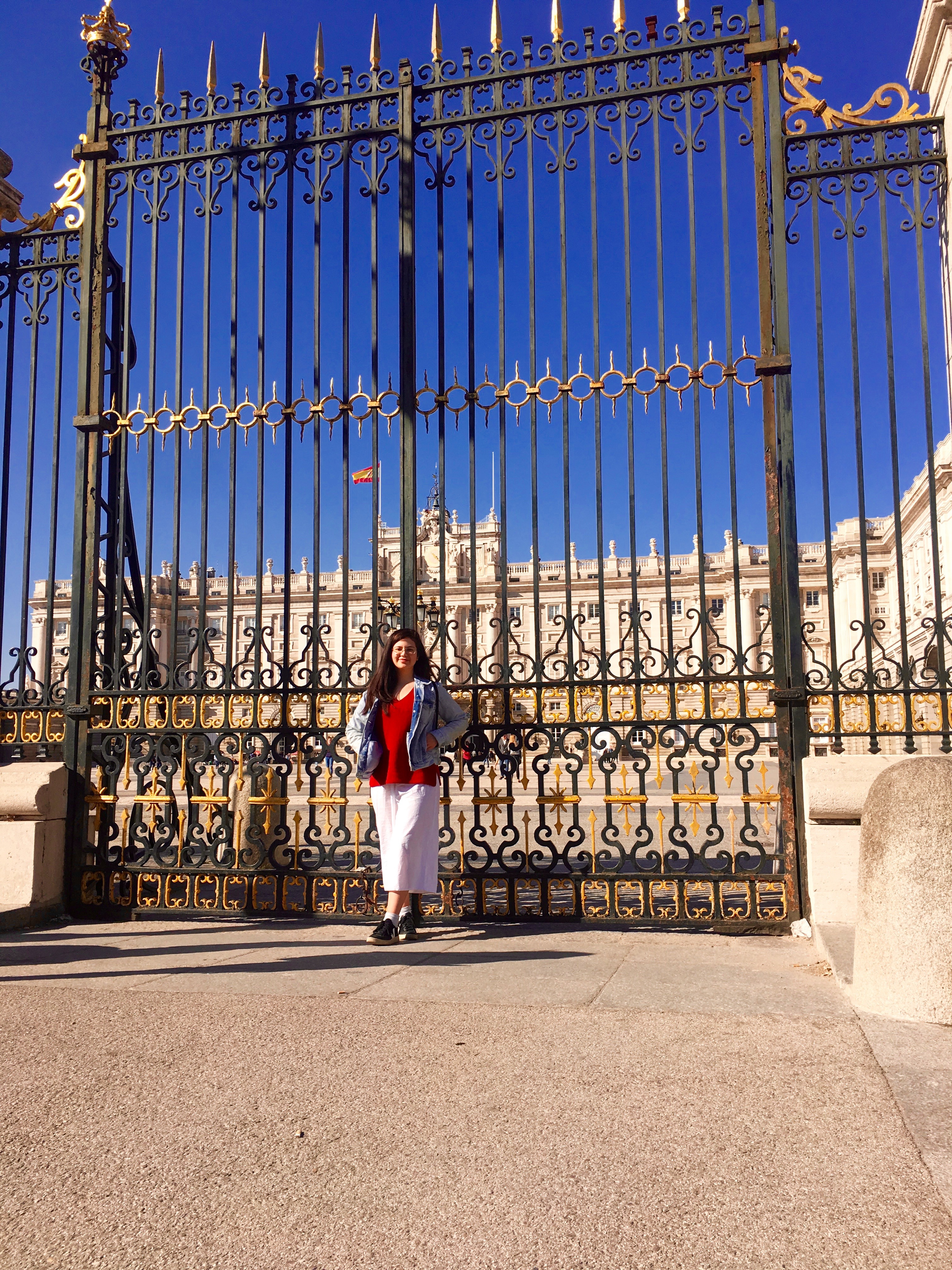
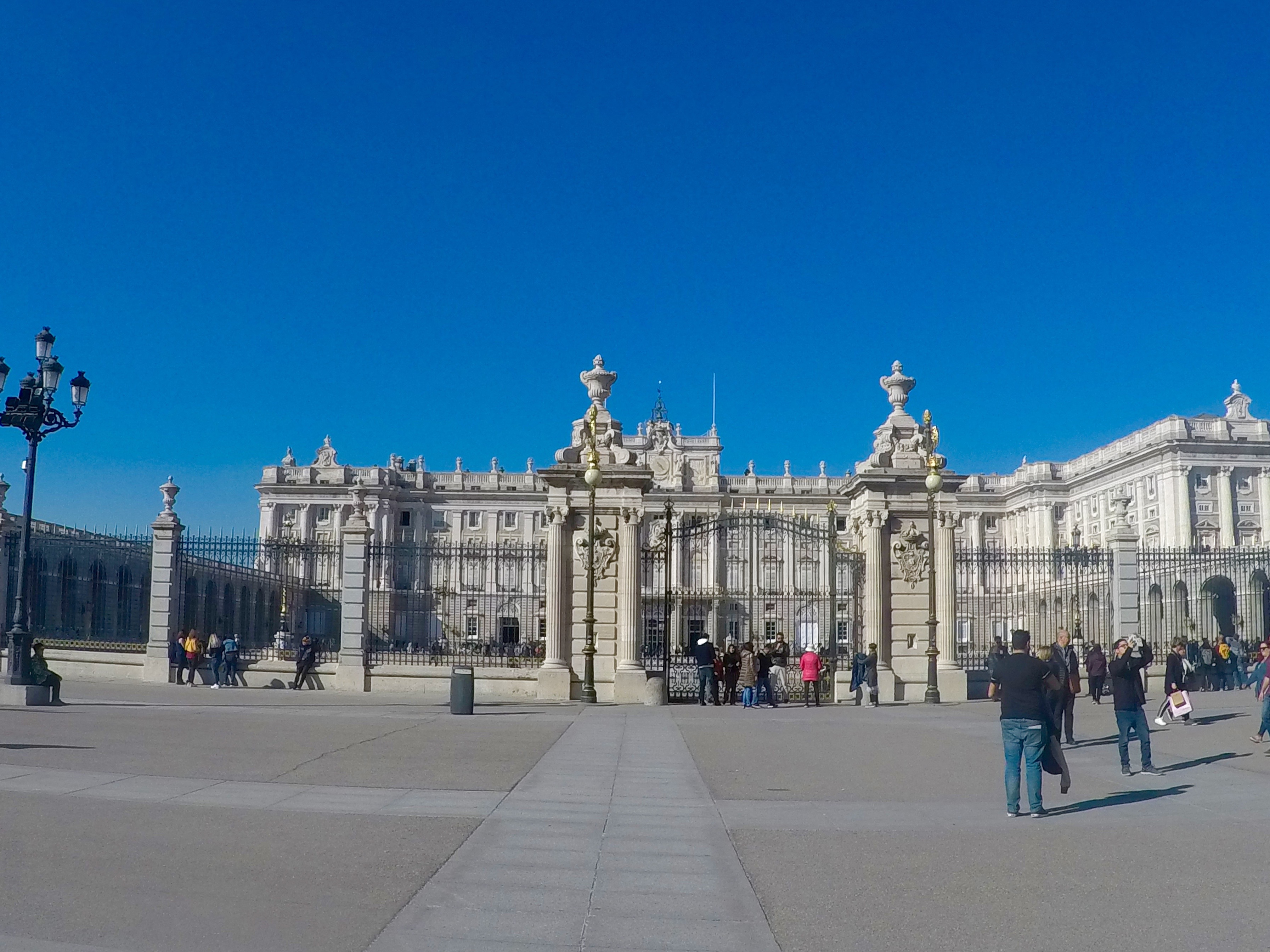
    The Royal Palace of Madrid is the official residence of the Spanish Royal Family in the city of Madrid. However, it is now only used for state ceremonies. With 135,000 square metres of floor space, the palace contains 3,418 rooms and is the largest functioning Royal Palace and the largest by floor area in the entirety of Europe. You can visit the Palace every day, with entrances after 4 pm, allowing you to get in for free.

    IMG_2897IMG_5943

    3) Almudena Cathedral
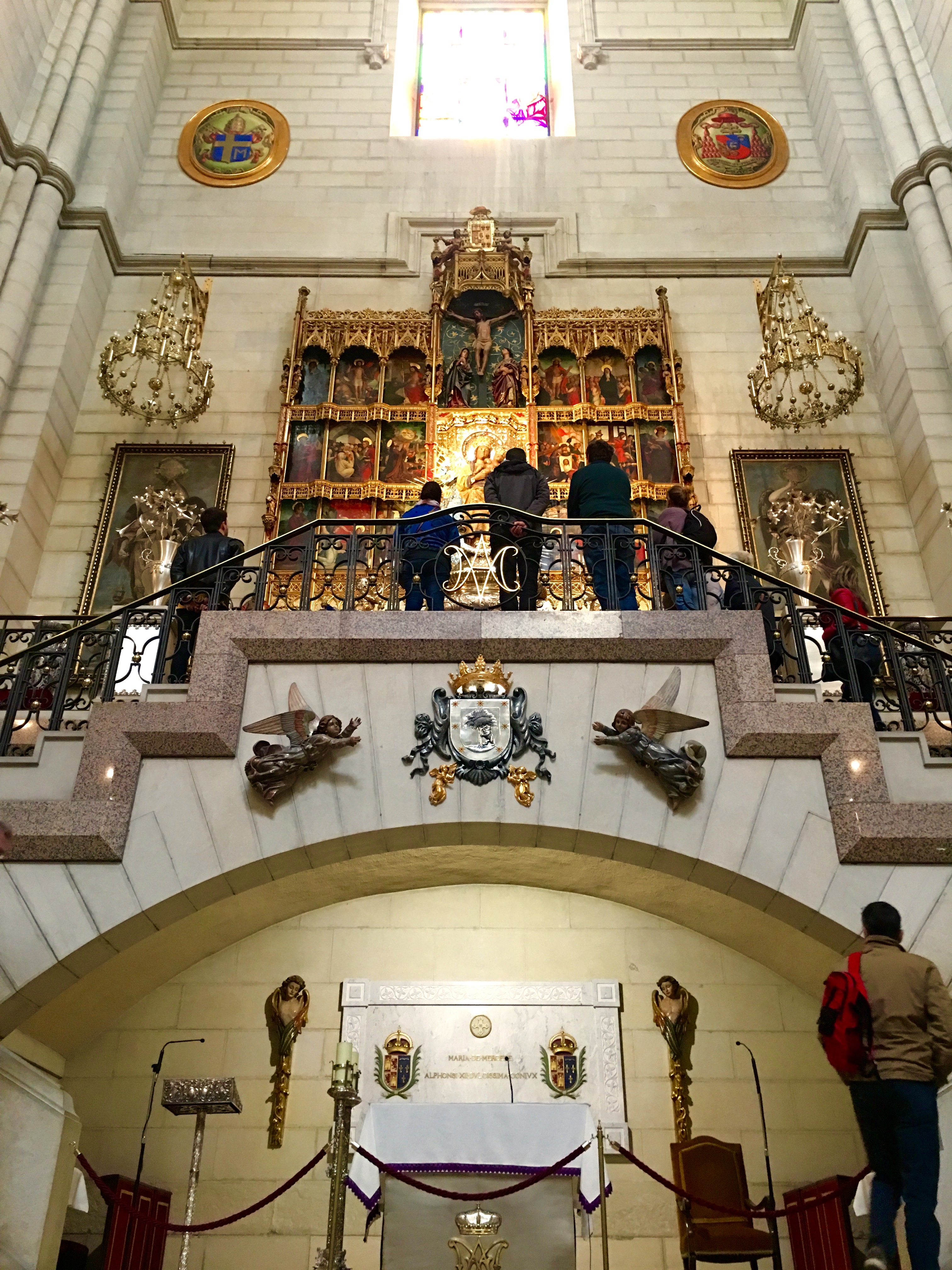
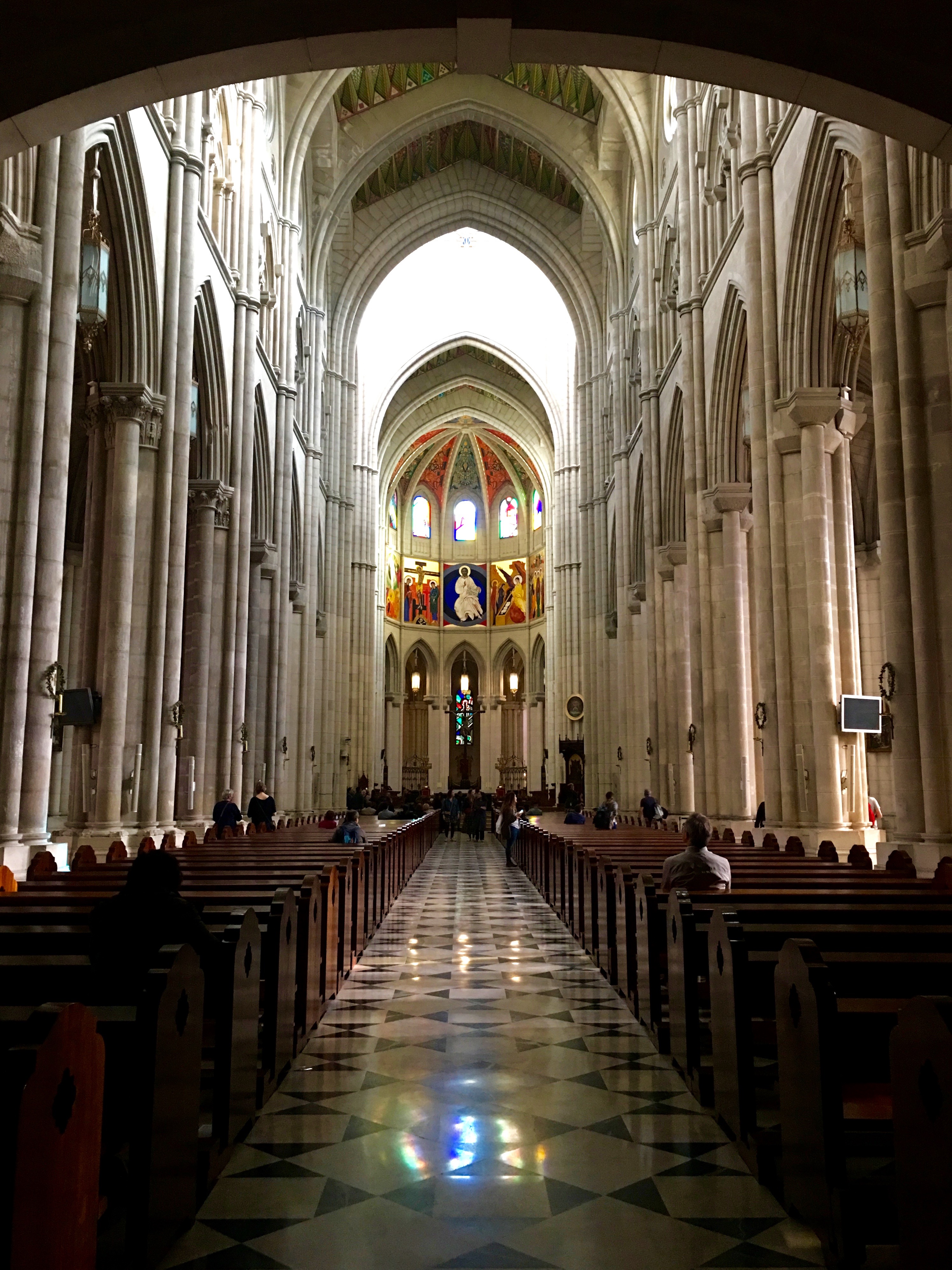
    Situated adjacent to Madrid’s Royal Palace, its interior may not be as impressive as the Gaudi’s Basilica of the Sagrada Familia in Barcelona; however, the interior is enough to make you take your breath away. It may be simple, but its precision to be as close to perfection cannot be faulted. With free entry, every single day, the cathedral is perfect if you desire an escape into a silent atmosphere in order to ground yourself and appreciate all your blessings. It was consecrated by Pope John Paul II on 15 June 1993, making it the first cathedral to be consecrated outside of Rome.

    IMG_3232IMG_3237

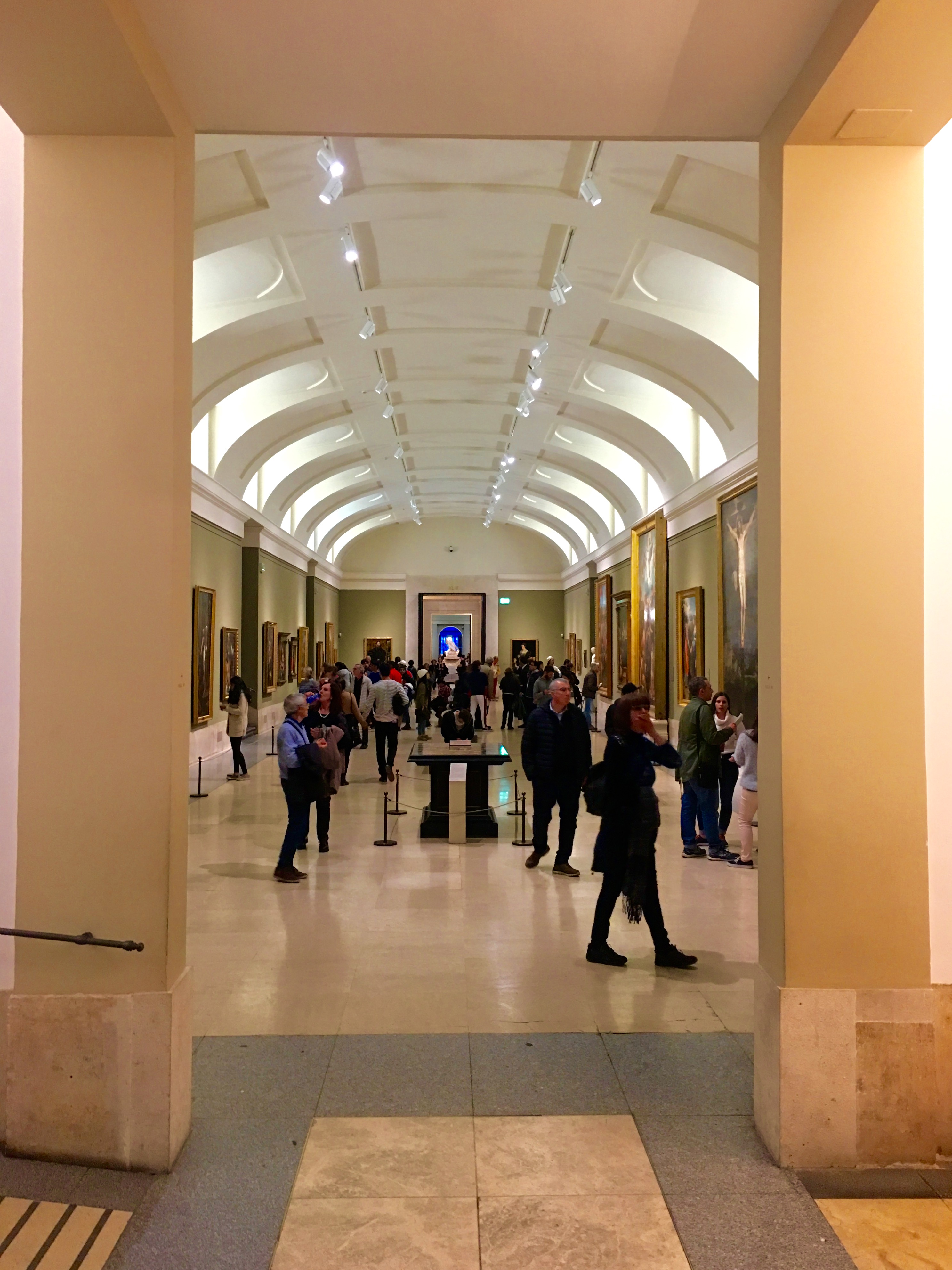
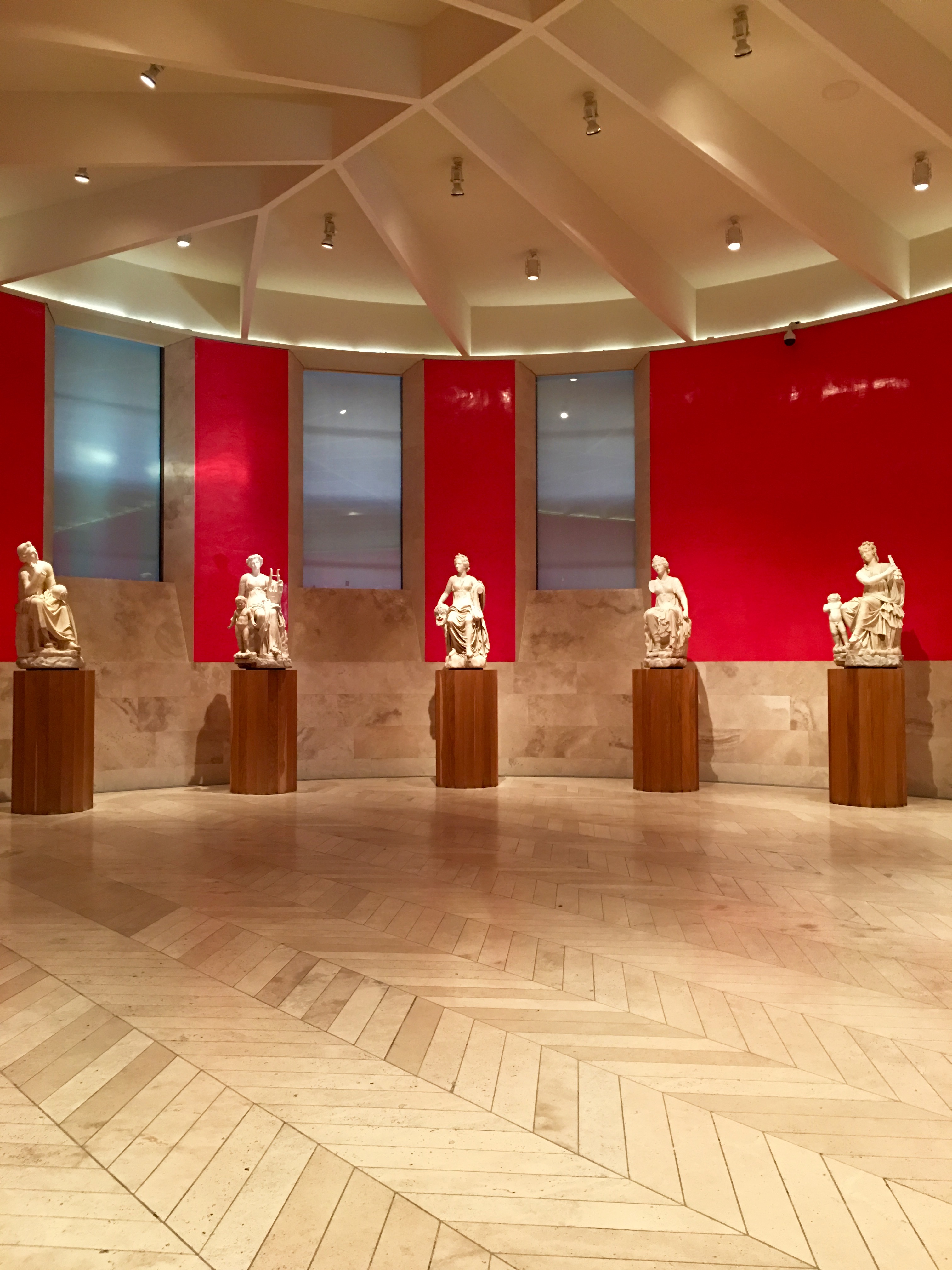
    4) Museo Nacional del Prado
    Home to collections of art, dating back to the 12th century, you can sample some of the finest works by Spanish painters, as well as others; such as Velasquez, El Greco, Rembrandt, to name a few. This museum is a gem in the city. Very rightly situated in Spain’s capital city. Admission is daily, with free entrance commencing at 6 pm every evening. Photography of the masterpieces are forbidden.

    IMG_2861 IMG_2855

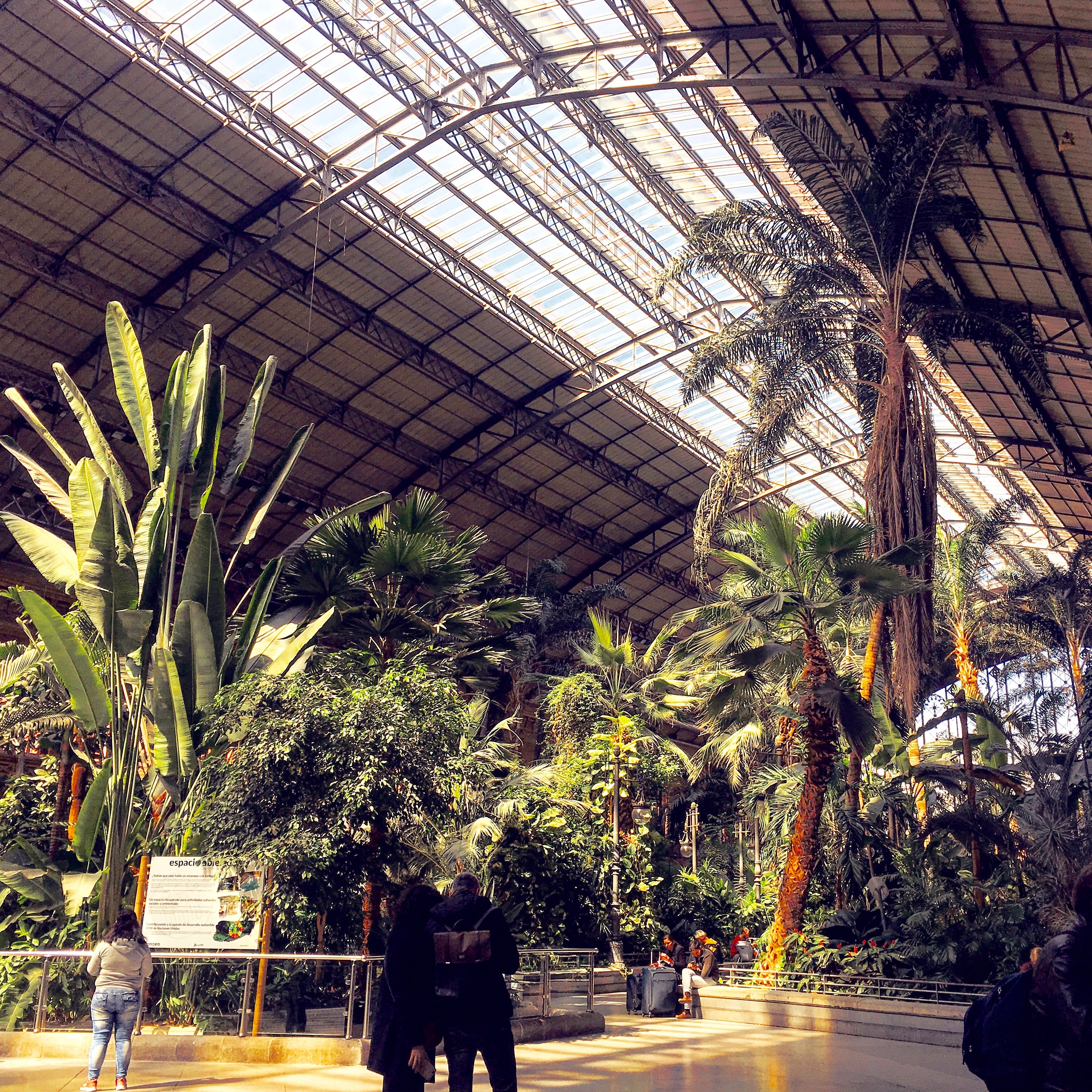
    5) Atocha train station
    Train stations may just be buildings that allow you to get from point A to B. However, sometimes their design is so exquisite that they become an exception to how we see train stations. A comparison would be the train station in Porto, Portugal; magnifically decorated with their famous blue and white tiles. Atocha creates a different feel to the vast amount of space it acquires. You definitely feel at peace, with nature being invited into its interior.

    IMG_4133

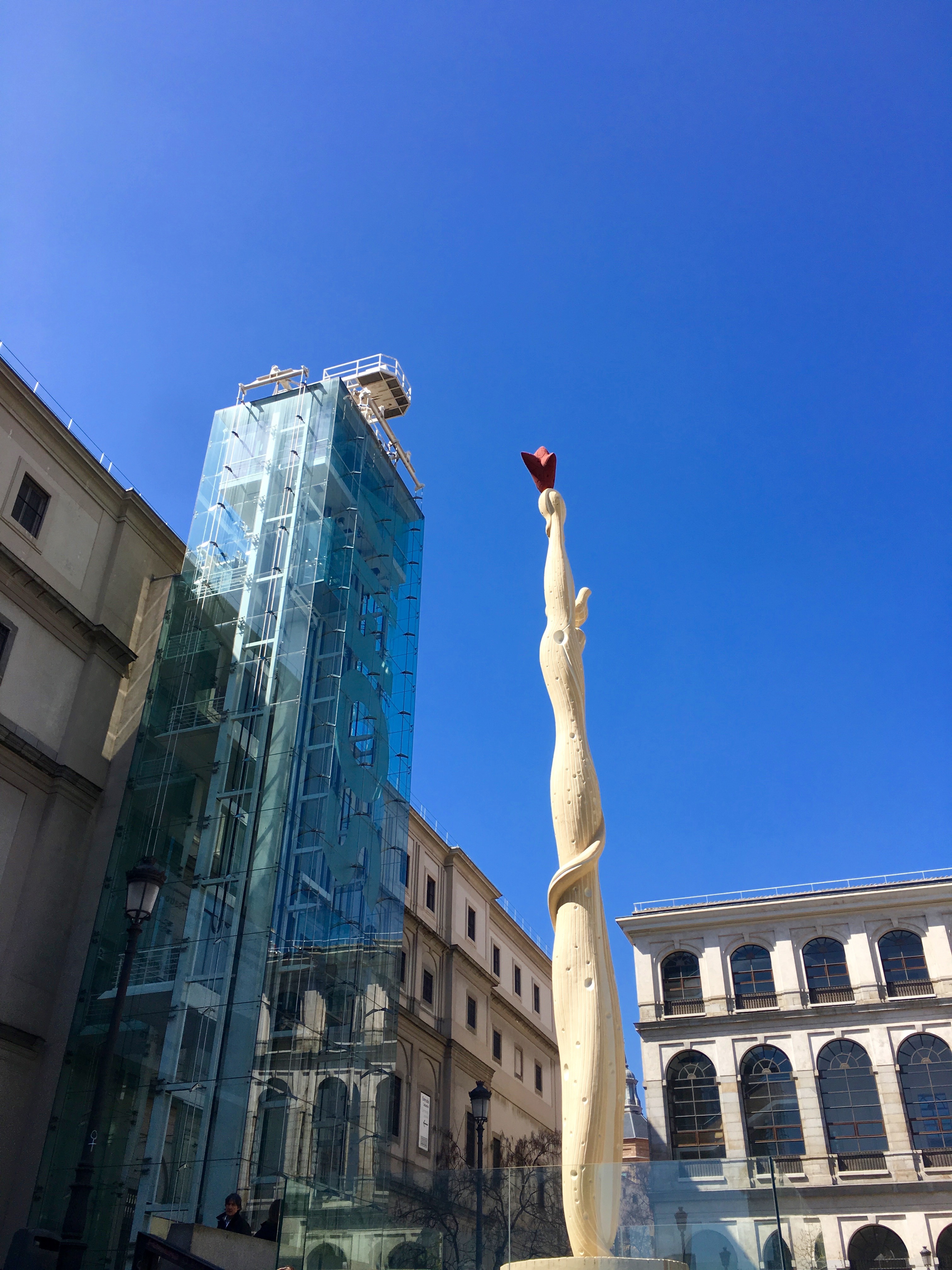
    6) Museo Reina Sofia
    Famed for being home to Pablo Picasso’s ‘Guernica’ completed in 1937, depicting the troublesome era when Spain was under Franco’s rule. This masterpiece alone is worth the visit. With many different exhibitions taking its place in the museum; one of Spain’s top museums, alongside masterpieces of internationally renowned Spanish artists; Picasso, Dalí and Miró to name a few. This museum is worth spending a good amount of your time. After 6 pm, admission is free daily, so you can have a wander and get lost within the minds of the modern artists that changed the way the world perceived art. Photography is acceptable in some rooms, however in those occupied by the more famous works of art it is forbidden.

    IMG_2883IMG_3379

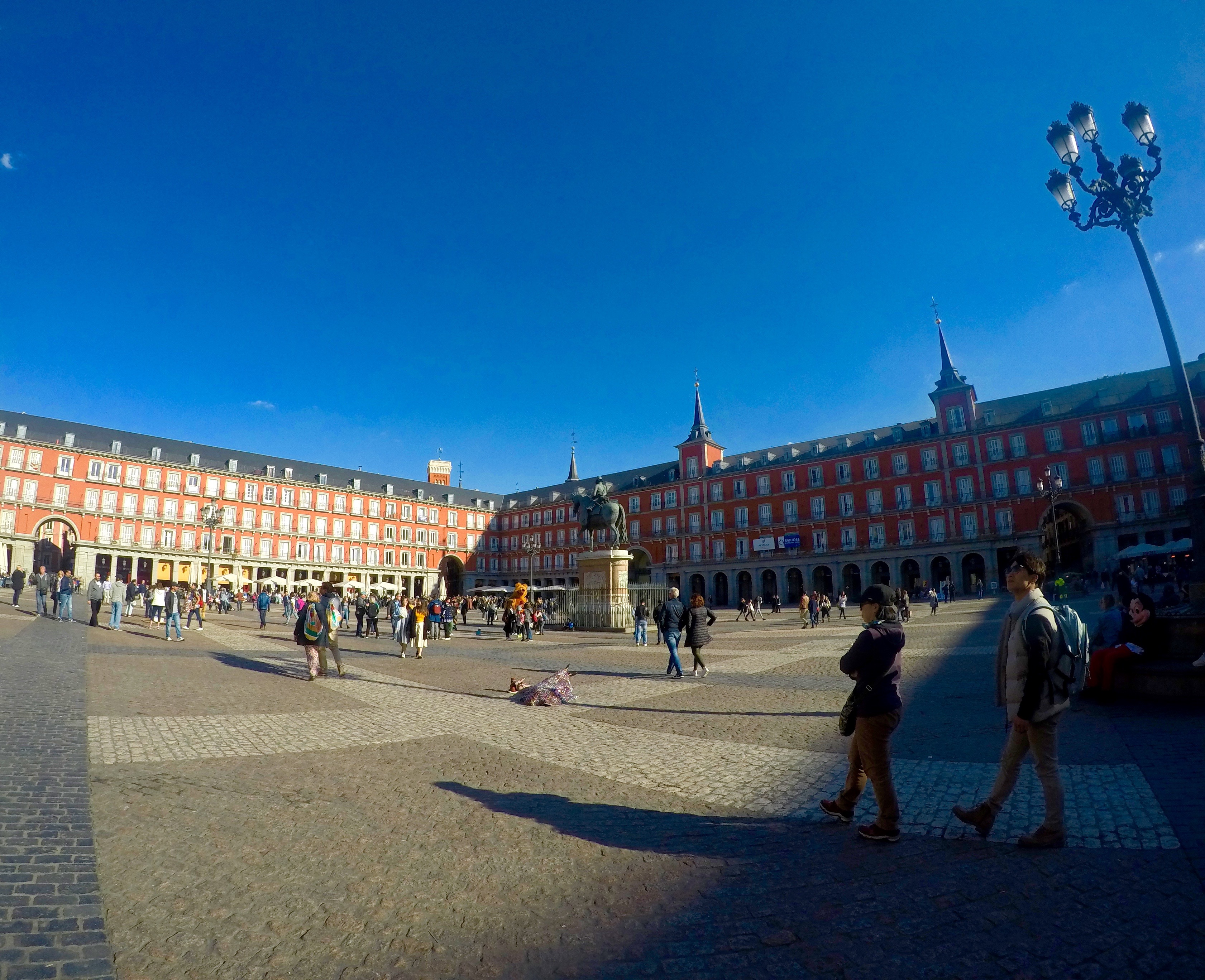
    7) Puerta del Sol
    The main square within any city is a vibrant spot to hang out and meet up with fellow loved ones. Madrid’s plaza is no exception. It is a great location to get a traditional dish or sip on some cool sangria. Close to the high street in Madrid, it is a great option if you wish to relax after carrying your bags. I do not believe that a trip to the city is complete without visiting the centre of its action.

    IMG_5942

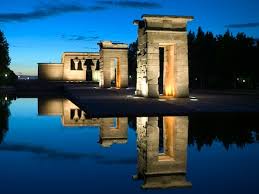
    8) Templo de Debod
    A gift from Egypt to Spain, the temple, originally of ancient Egypt, 2,200, came into Madrid’s territory as a thank you for the collaboration in the rescue of the temples of Nubia. The Temple of Debod was inaugurated on July 20, 1972, after two years of reconstruction and is still proudly standing in Spain’s capital. With its free entry daily and easy access to the monument, it is worth a trip when you are in Madrid.

    images

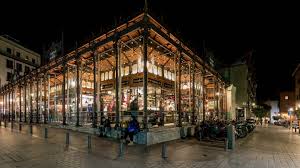
    9) Mercado de San Miguel
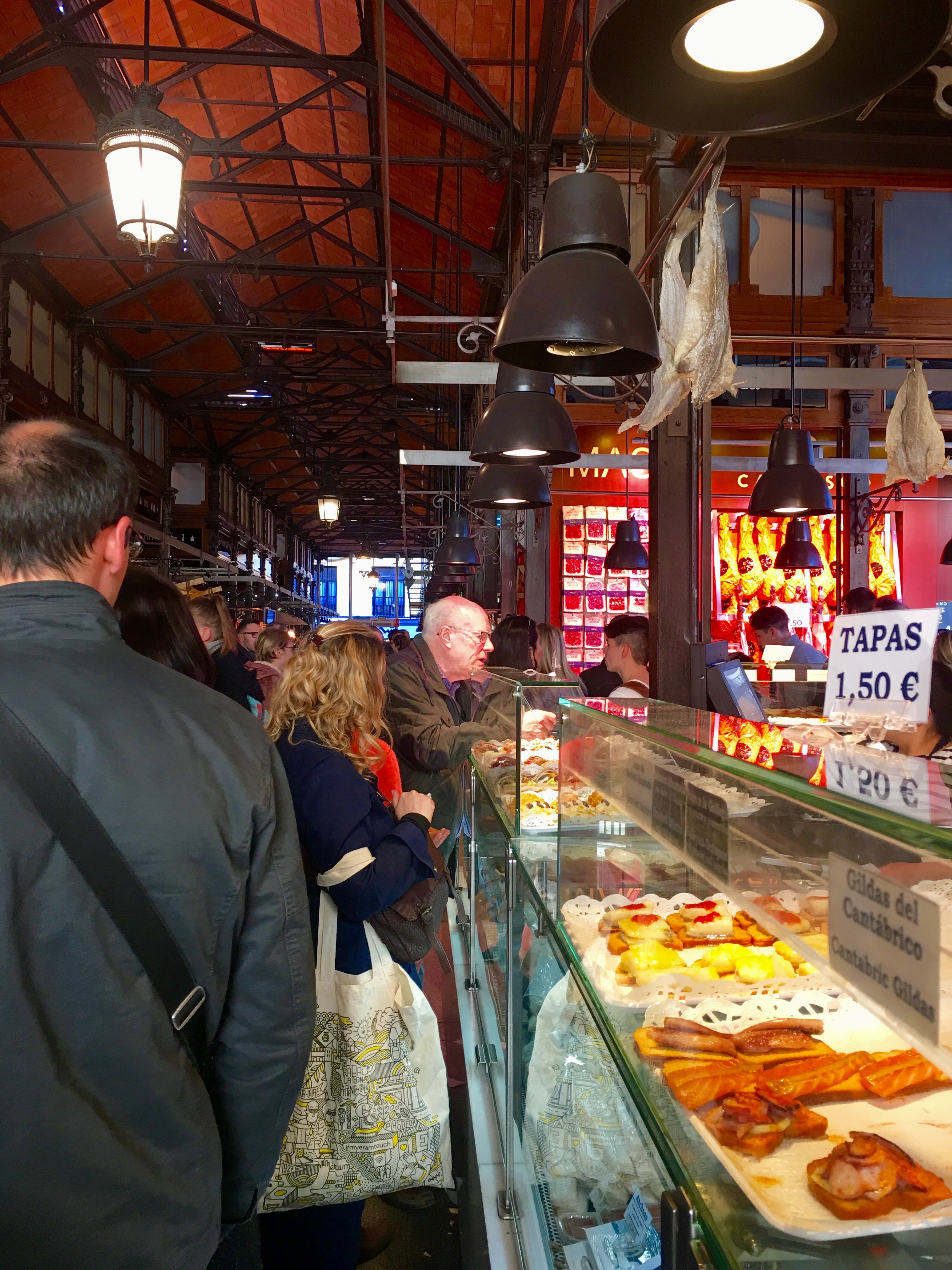
    You can sample some of the best Spanish dishes at this market. Filled to the brim with tapas, churros and sangria, you will certainly be able to spend a good few hours eating your way through the stalls. It may be difficult to leave, with closing hours being 12 a.m, with Fridays and Saturdays extending their closing time to 1 a.m.

    images-4IMG_2902

    Each capital city in the world has its own style of life, and Madrid is no exception. It may not be seen as relaxing and alive as Barcelona, but it definitely does not lack anything to stop you from enjoying your holiday. With restaurants staying open well after midnight, and the metro station active from 6 am to 2 am daily, Madrid is a very practical city for both its residents as well as for the tourists. Even though it is the capital city is a huge metropolitan country, the atmosphere is very laid back. Feels like a holiday, every day!

  • Exploring the unexplored – Ancón, Lima – Peru

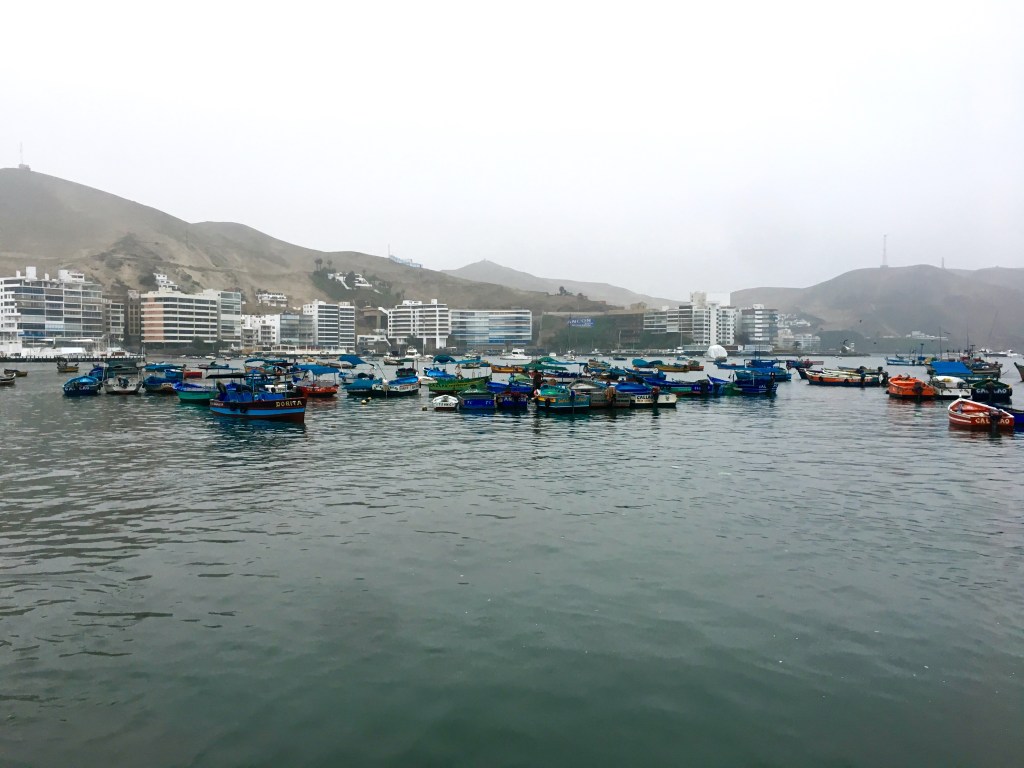
    This active fishing port, mainly known to be a beach town, is a great city break within the city. It is still located within Peru’s capital city of Lima. However, the bus journey does take its time, with an average of 2 hours to arrive at the destination. If you feel you deserve a short inexpensive vacation to escape from the everyday stress the city can cause, as well as requiring some much needed fresh ocean air to fill your lungs, then this is the place to visit.

    IMG_5657

    It is relatively straightforward to get there, wherever in Lima you may be. If you are renting a car, make sure you have some form of digital navigation and you are good to start your road trip. If you wish to travel by public transport, then there are some buses that will take you directly to Ancón. Make sure it states Ancón on the bus and the person selling tickets onboard the vehicle will help you, its usually the last stop for the majority of the bus routes. The journey is straightforward, but depending on your location you may need to change once or twice. However, from the largely inhabited tourist areas within Peru, you should easily find transport that can take you without a problem.

    IMG_5624
    The district of Ancón

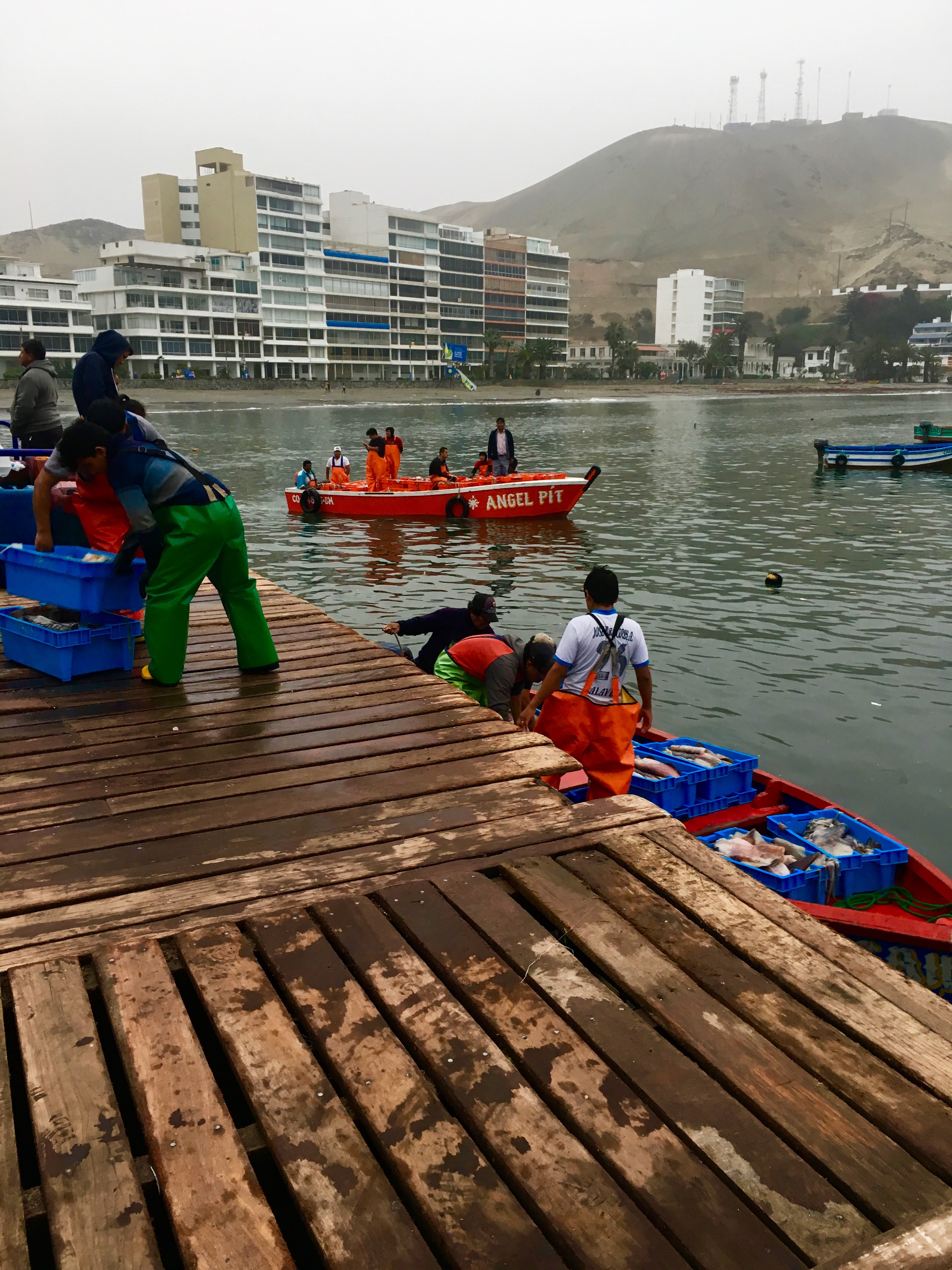
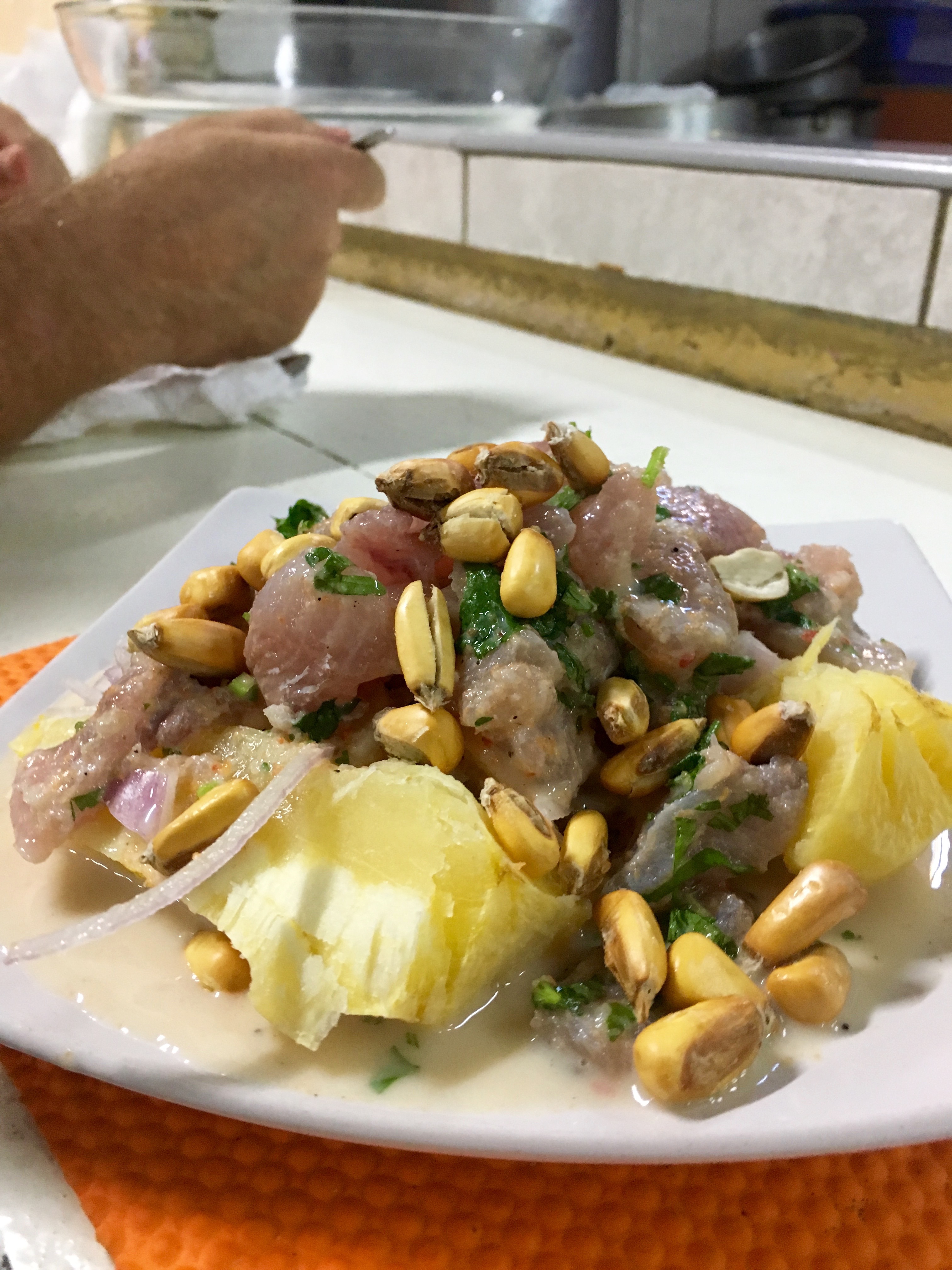
    Ancón becomes very popular during the Peruvian summer and spring months of December to May, but during the autumn and winter, it becomes a little deserted with only residents making up the majority of the visitors who stroll across the beach. It is also a large fishing port, and you can witness the live action of how the fishermen bring back their catch to the port in order to be sold at the markets or taken away in lorries to carry on their journey to other restaurants. You can sample some traditional Peruvian seafood dishes, fresh daily, but only until 6 pm, at the neighbouring restaurants for a good price. Starting from 20 soles, equivalent to $4.

    IMG_4668
    Ceviche; a traditional Peruvian dish, which consists of raw fish (typically sea bass) yuca, and yuca.

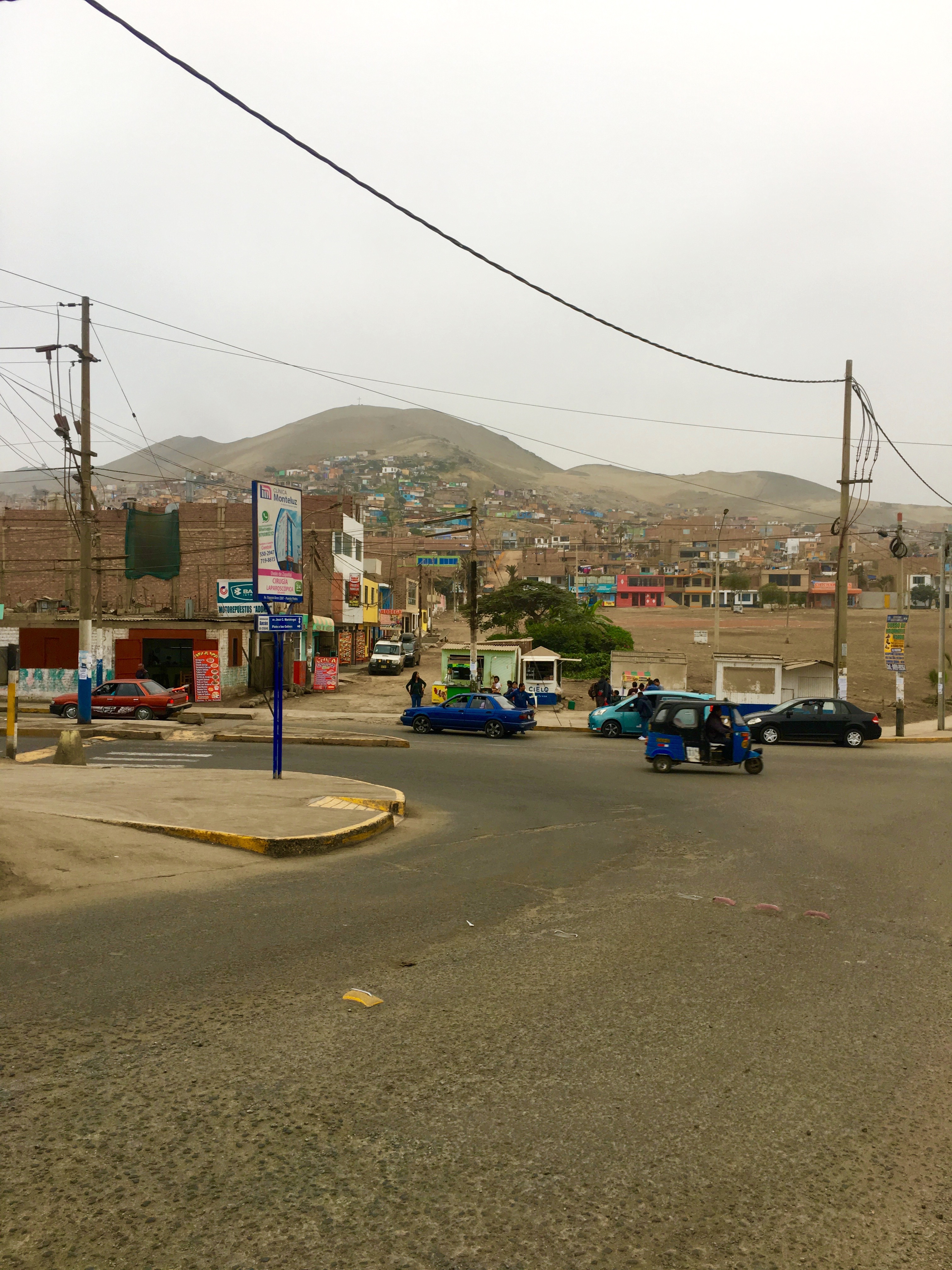
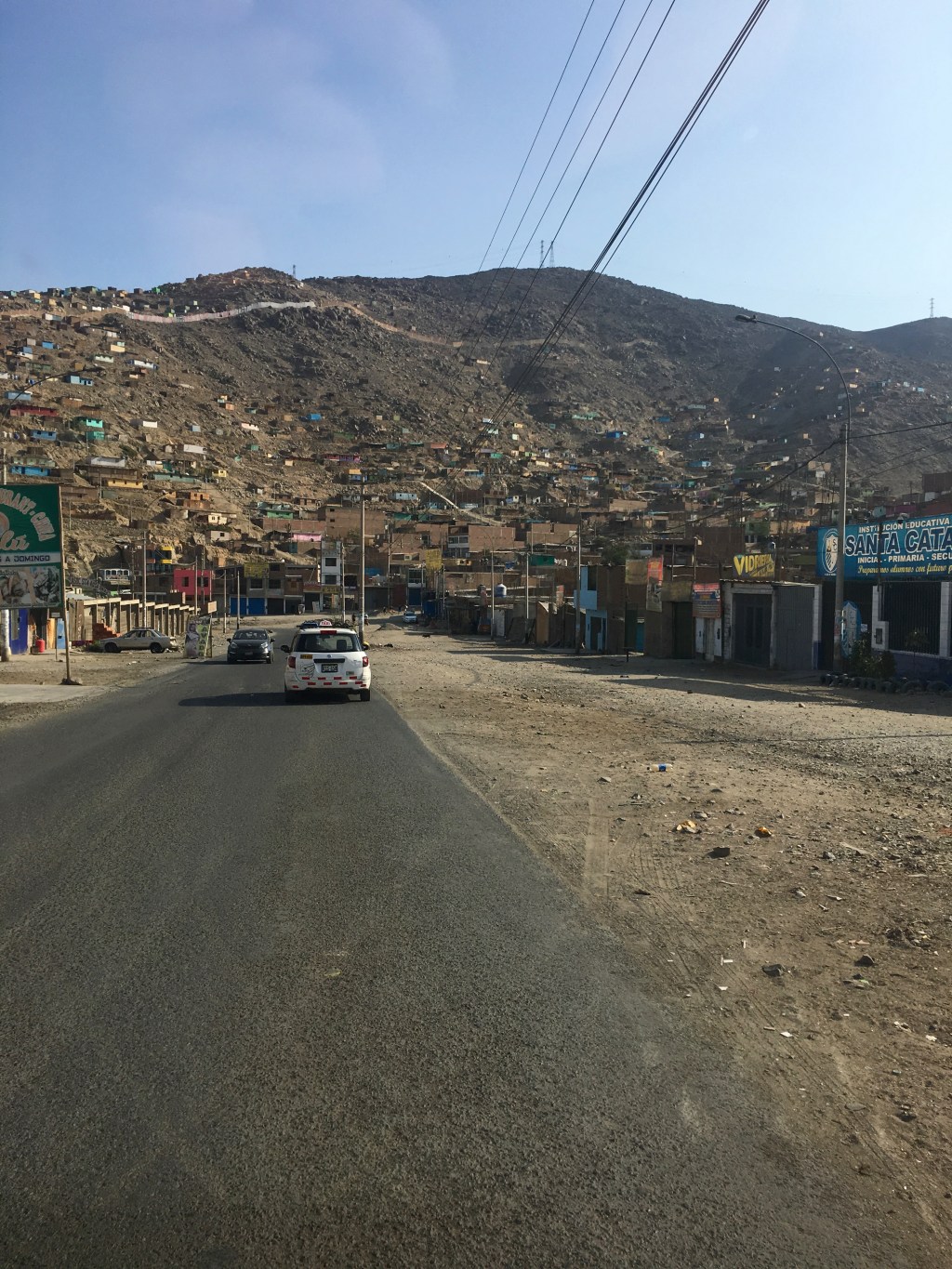
    Ancón is a large district, with houses taking over the Peruvian mountains which can be admired from the beach. So there is a lot more to the place, than what surrounds the premises of the ocean. It is a delightful place to spend half the day or even the full day. The fresh ocean air is my top reason for advocating to go to this location if you really want to feel soothed and energised to make your way back to the active way of life that is synonymous with Lima.

    If you have already visited Ancón, please drop a message below about your time there. And if you have not, I do wish you find some inspiration to go there in the near future, whenever you may find yourself in Lima, Peru. As always, I wish all my fellow travellers, very happy travels!


  • Exploring the unexplored in Lima, Peru – San Juan de Lurigancho

    A typical tourist will most likely spend their days wandering around Barranco, Miraflores, San Isidro and the cultural centre of Lima. They are great places, visually stunning and a reflection of how advanced Lima is. However, for the tourists who are eager to see the ‘authentic’ Lima, they crave more than just the pretty and ‘safe’ places. That is why I am creating a series called ‘Exploring the unexplored’ where I will be posting places, across the world, that are not necessarily represented in the travel magazines.

    IMG_4254

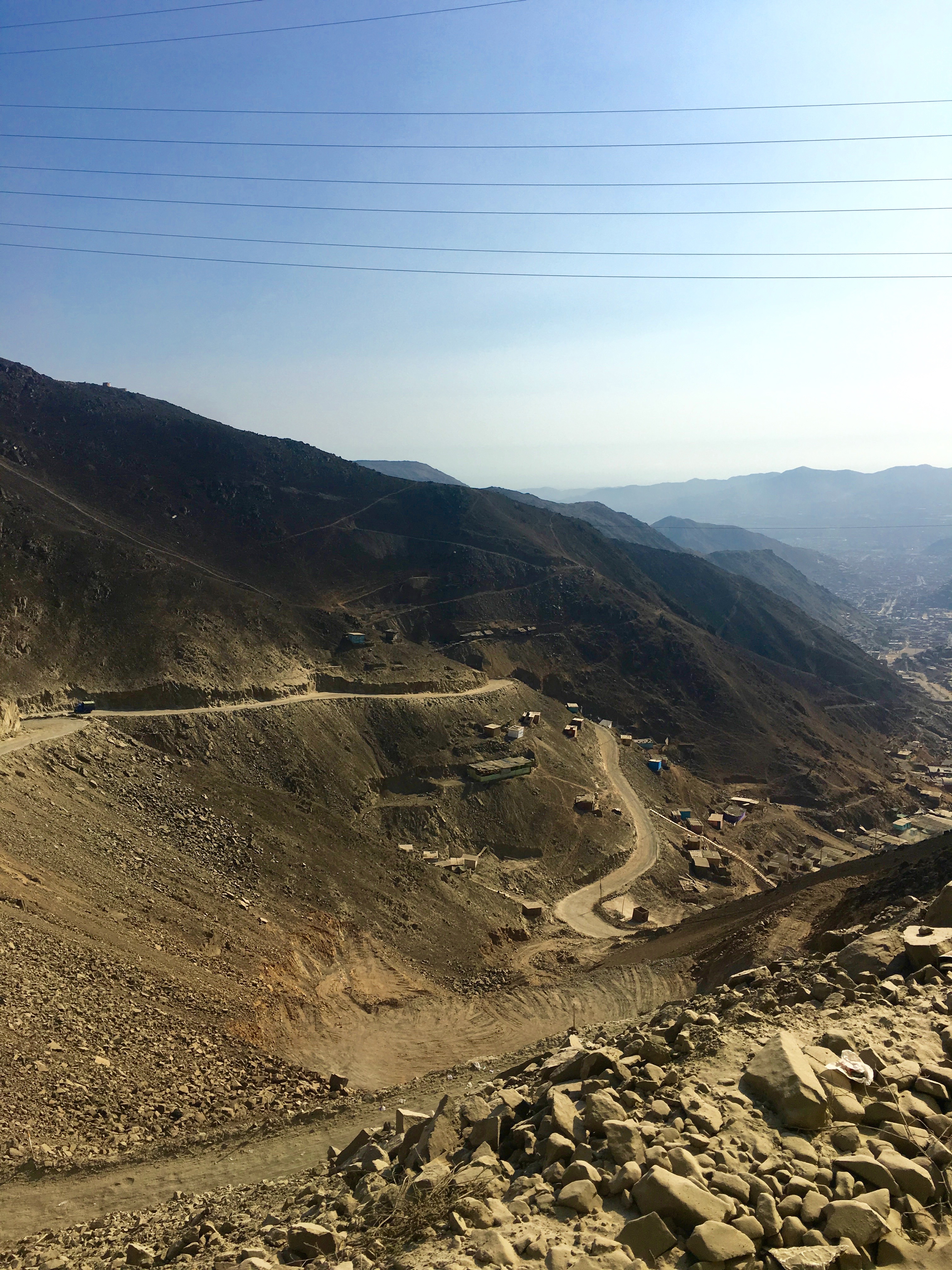
    For my first article in the series, I will be exploring the area of San Juan de Lurigancho, in Lima, Peru. Now with a population that exceeds one million, San Juan de Lurigancho is bordered by the districts of Carabayllo and San Antonio, which is in the Huarochirí Province, north of Lima. It is one of the highest peaks and a place where your eyes will most certainly be in for a treat.

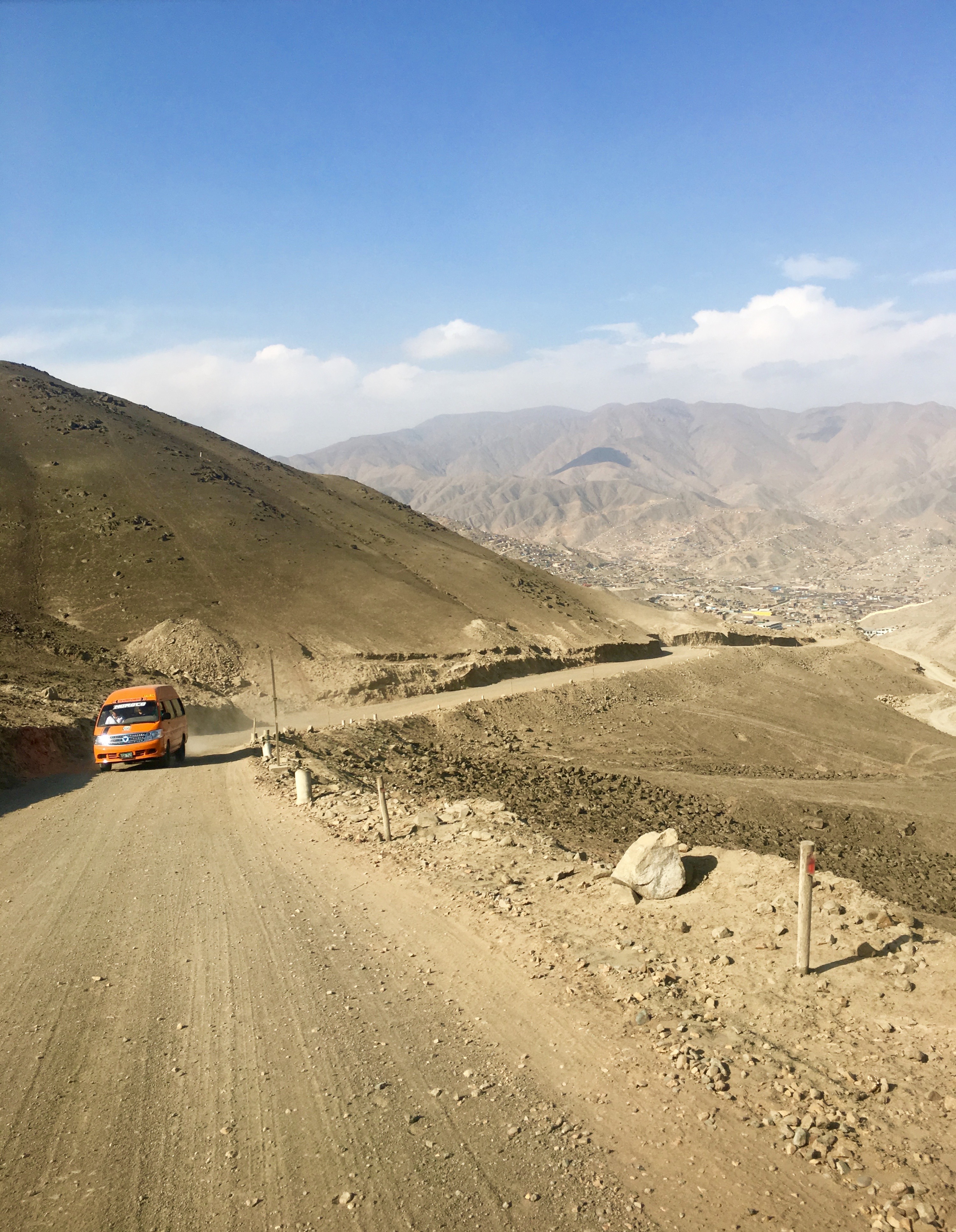
    In order to get to this part of Lima, which is highly unexplored by the large majority of tourists which step foot in the city, you need to take transportation to get onto the following transportation, that will lead you up to the mountains. Firstly, you need to take a bus that will leave you by Real Plaza shopping mall, in Los Olivos, bordering Pro. Once you step foot onto the ground, keep walking until you pass a large market and spot some orange minibuses. It is roughly a ten minute walk. There will be many buses, so it should they should be easy to detect, as that is their main stop off point.
    You pay 6 soles, equivalent to $1.80 and then you will embark on your hour-long journey through the mountains and to the final stop, in San Juan de Lurigancho. There is a change of bus at one stage, before arriving at the scenic part of the journey, but you will not pay any more money, as you have already paid your 6 soles.

    IMG_4210
    The station where you can find the orange minibuses.

    IMG_4256 (1)
    Managed to capture a photo of the orange minibus in sight. Midway to my destination.

    IMG_4225
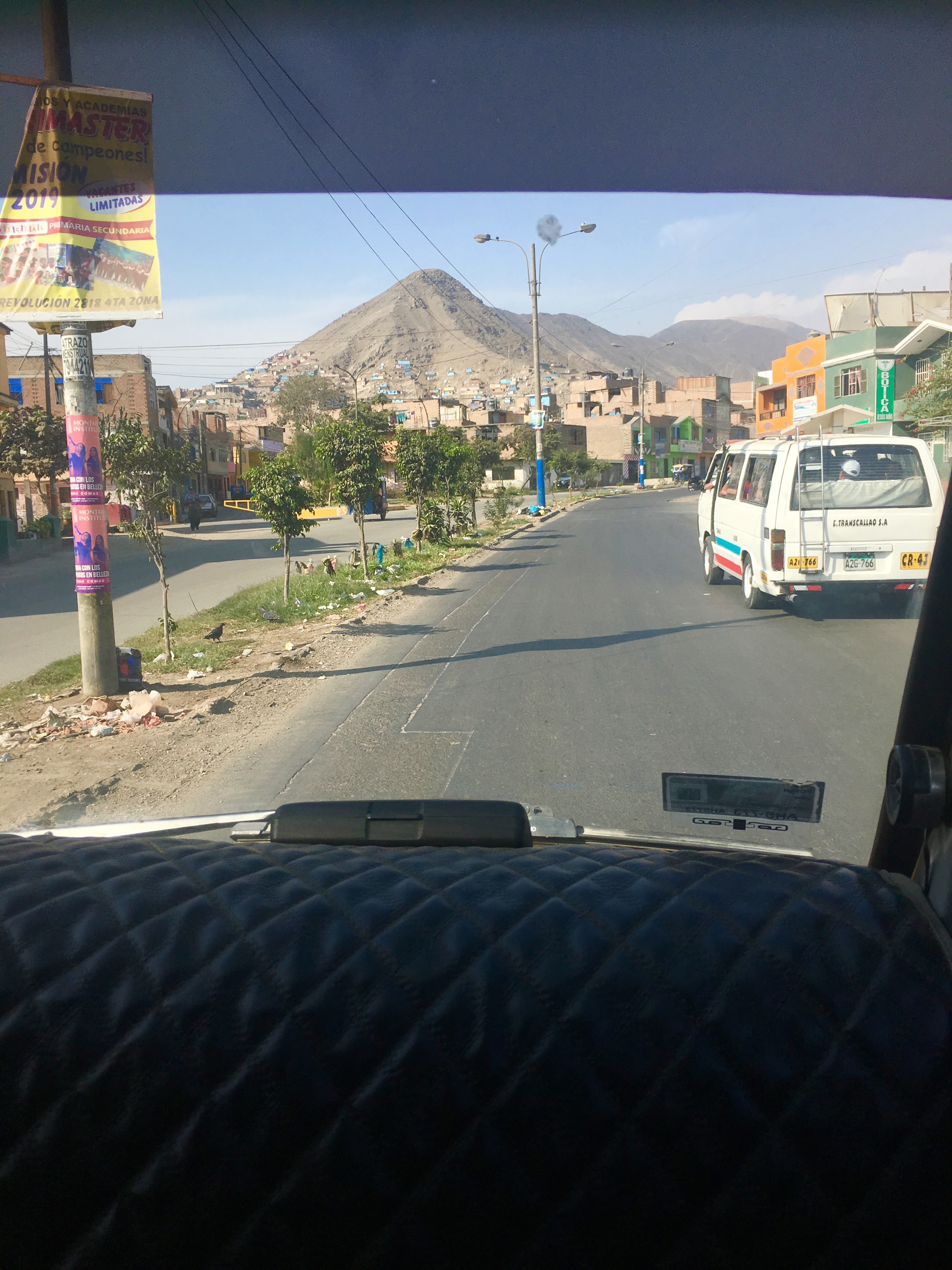
    A photo captured in the front seat inside the minibus.

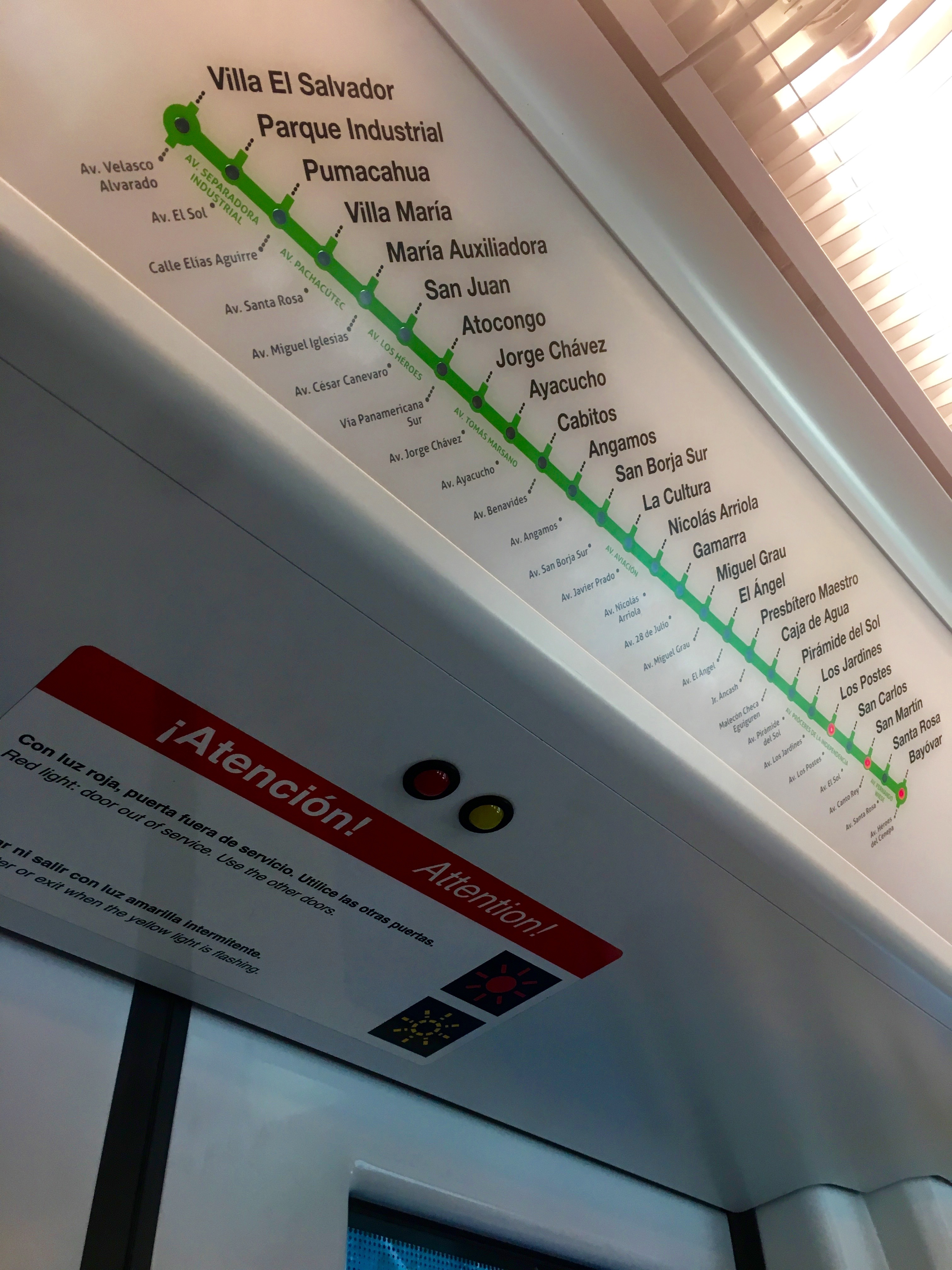
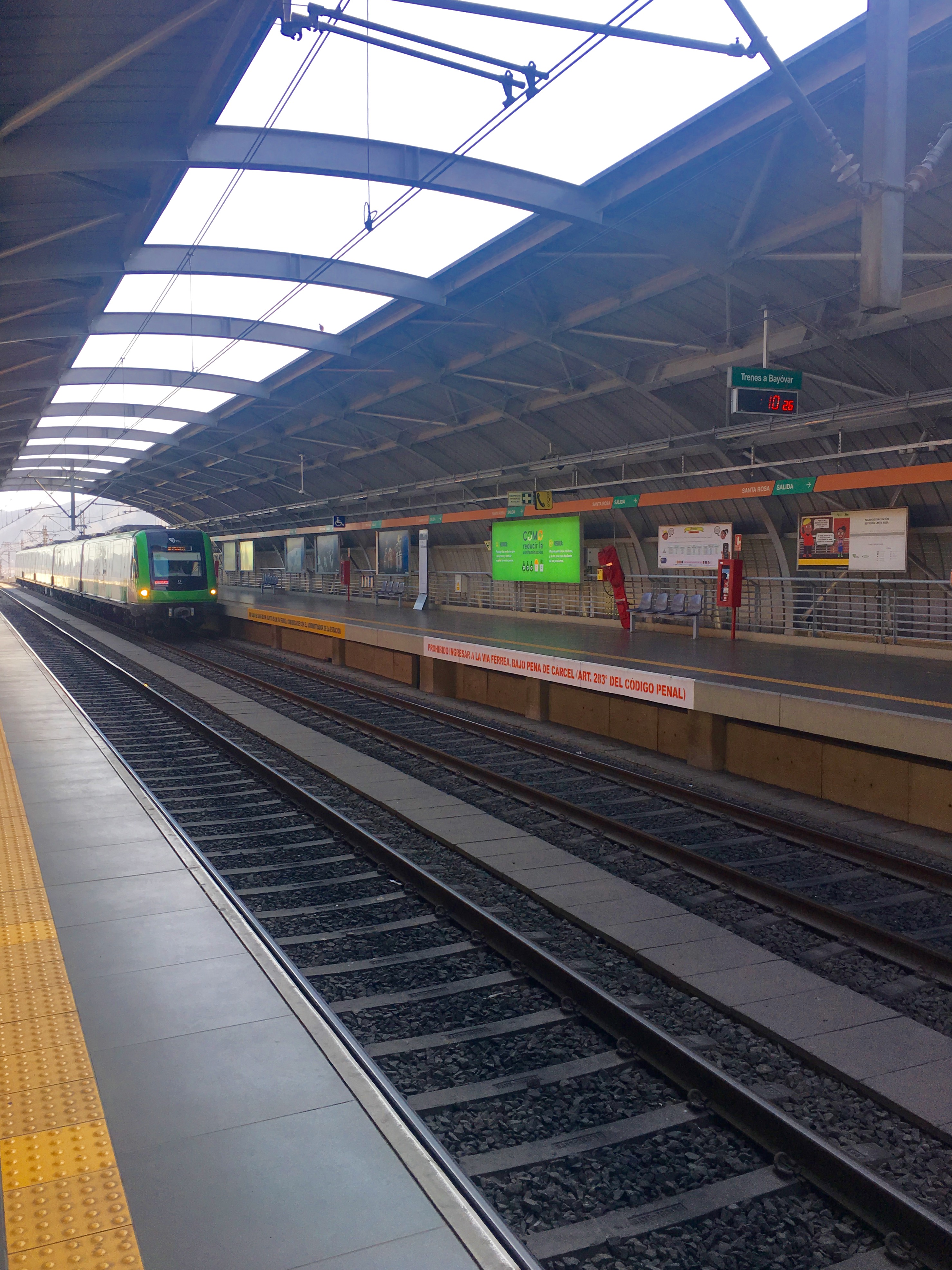
    Unfortunately, this journey is more of a scenic ride, as there is no opportunity to leave the bus at the peak. In order to get the most out of your journey, sit beside the bus driver. You will have the best view out of everyone and it is perfectly normal to sit next to him. It is usually only for residents, however, anybody can pay to take a trip on the bus. The easiest manner in order to return from San Juan de Lurigancho is to get off at the penultimate stop, which is called Santa Rosa. Tell the bus driver and he will let you know where that is. You will arrive at the metro station known as the ‘Estacion del tren electrico’. This metro line connects the large part of Lima, so heading back to your destination will be easy.

    IMG_4294
    Photo of the route which starts in San Juan de Lurigancho and finishes in Villa El Salvador.

    IMG_4280
    Inside the metro station at Santa Rosa in San Juan de Lurigancho

    Visiting San Juan del Lurigancho was a very unique experience for me. Even after living in Lima for a year, three years ago, I had not explored Lima as in-depth as I currently am. I would say that I am definitely much more adventurous now and eager to see all the different districts that Lima has to offer. This place is great to visit if you are looking for a short day-trip within Lima. Not only will you manage to take great photos, but you will also see a very different and raw aspect of Peru’s thriving capital city of Lima.